
The Ultimate dragonyurts guide for Outdoor Living
Read our dragonyurts guide to plan a nature retreat. Learn about setup, eco-friendly lodging, and unique getaways in this detailed and helpful travel guide.
Table of Contents
- Understanding the Basics
- Selecting a dragonyurts guide
- Assembly and Structural Integrity
- Interior Design and Comfort
- Important Questions About the dragonyurts guide
- Comparison
- Practical Tips
Quick Summary
This dragonyurts guide is a comprehensive resource for planning, assembling, and enjoying circular tent accommodations. This overview covers structural poles, weather-resistant fabric, and sustainable travel practices to ensure a comfortable wilderness escape.
Introduction
This dragonyurts guide provides essential insights for anyone looking to embrace alternative housing or plan a memorable outdoor adventure. Whether you are seeking a cozy shelter for a weekend wilderness escape or exploring sustainable travel options, understanding the nuances of these structures is vital. A circular tent offers a unique blend of nomadic dwelling history and modern glamping comfort. In this article, we will explore the foundational elements of these spaces, from the wooden lattice framework to the canvas roof. You will also discover how to optimize your environment for eco-friendly lodging. By the end, you will have the knowledge needed to confidently navigate your next nature retreat.
Understanding the Basics
The foundation of any successful nature retreat begins with a thorough understanding of the architectural principles behind these unique structures. A traditional design relies on a circular wooden lattice wall that expands and contracts, providing both flexibility and immense strength. This wall supports a series of structural poles that radiate from the center, holding up the heavy canvas roof. When consulting a reliable dragonyurts guide, you will quickly learn that the tension band is the most critical component. This band wraps around the top of the lattice, preventing the walls from pushing outward under the weight of the roof.
Modern interpretations of this ancient nomadic dwelling often incorporate advanced materials while respecting the original geometry. For those interested in off-grid living, these structures offer an excellent balance between portability and permanence. The circular shape naturally deflects wind, making them highly resilient in harsh weather conditions. Furthermore, the open floor plan allows for versatile interior arrangements, which is a major draw for alternative housing enthusiasts. If you are also looking for other unique gift ideas for outdoor lovers, checking out a cat lover gift guide might provide some unexpected inspiration for cozy cabin accessories. Ultimately, grasping these core concepts ensures that your transition into yurt accommodation is both smooth and structurally sound.
Selecting a dragonyurts guide
Choosing the right resources and materials is crucial when preparing for your first assembly or major upgrade. A comprehensive dragonyurts guide should cover everything from site selection to climate-specific insulation. Before pitching your circular tent, evaluate the ground for proper drainage and levelness. A slightly elevated site prevents water pooling and protects the wooden lattice from ground moisture. When evaluating different models, pay close attention to the quality of the weather-resistant fabric. High-grade canvas or modern synthetic blends offer superior breathability while keeping the interior dry during heavy rain.
Many enthusiasts also look for models with reinforced seams and UV protection to extend the lifespan of the canvas roof. For those planning a long-term wilderness escape, investing in a robust insulation package is non-negotiable. Reflective foil layers and thick felt liners trap heat during winter and keep the interior cool in summer. It is also wise to consider the local wildlife and environmental factors. If you enjoy observing local fauna during your stay, you might appreciate reading about cute cats moments that mirror the adaptability of animals in the wild. Selecting the right model ultimately depends on your specific needs, whether you prioritize rapid deployment for weekend camping gear trips or heavy-duty durability for year-round eco-friendly lodging.
Assembly and Structural Integrity
Proper assembly techniques guarantee the longevity and safety of your shelter in diverse environmental conditions. Following a detailed dragonyurts guide will help you avoid common pitfalls during the erection process. The first step typically involves laying out the floor platform, which must be perfectly level to ensure the doors open and close smoothly. Next, the wooden lattice is expanded and secured into a circle. This is where teamwork becomes invaluable, as holding the lattice steady while attaching the structural poles requires at least two people.
Once the roof ring is hoisted and the poles are slotted into place, the tension band must be tightened securely. A loose band will cause the roof to sag, compromising the entire structure. After the frame is secure, the inner liner and outer canvas roof are draped over the top and fastened. It is essential to smooth out any wrinkles to prevent water from pooling in low spots. For those interested in sustainable travel, utilizing hand tools and minimizing power equipment during assembly reduces your carbon footprint. For more information on traditional nomadic architecture, consult the UNESCO intangible cultural heritage archives. Regular maintenance is equally important. Inspecting the tension band and re-treating the weather-resistant fabric annually will protect your investment. By adhering to these assembly protocols, you ensure that your unique getaway remains a safe and comfortable haven for years to come.
Interior Design and Comfort
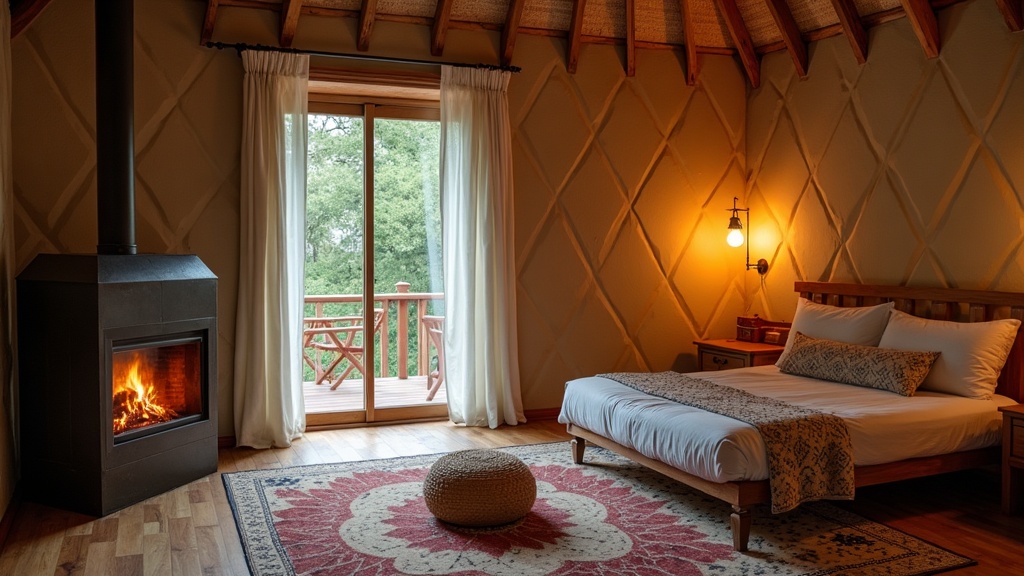
Transforming the interior space into a comfortable living area requires strategic planning and an eye for functional design. When following a dragonyurts guide for interior layout, remember that the circular footprint demands a different approach than rectangular rooms. Placing heavy furniture against the curved walls can be challenging, so many owners opt for custom-built, low-profile pieces that hug the perimeter. The center of the space is often left open to highlight the roof ring, which serves as a natural skylight and ventilation source.
For heating, a central wood-burning stove is the traditional choice, providing radiant heat that efficiently warms the entire volume of the circular tent. Ensure the stovepipe is properly flashed through the roof to prevent leaks and fire hazards. Lighting is another critical element of off-grid living. Solar-powered LED strips and battery-operated lanterns offer ample illumination without the need for extensive wiring. To enhance the cozy shelter atmosphere, layer the floors with thick rugs and use heavy textiles to dampen sound and add warmth. Many people who enjoy unique getaways also incorporate stargazing decks just outside the main entrance, creating a seamless transition between indoor comfort and outdoor adventure. By thoughtfully curating the interior, you create a personalized retreat that perfectly balances rustic charm with modern convenience.
Important Questions About the dragonyurts guide
How long does it take to set up a circular tent?
Setting up a standard model typically takes between four and eight hours with a team of two to three people. The process involves assembling the floor platform, expanding the wooden lattice, and hoisting the structural poles. Experienced builders can reduce this time significantly, but beginners should allocate a full day to ensure every component, especially the tension band and canvas roof, is installed correctly and safely.
Are these structures suitable for year-round living?
Yes, they are highly suitable for year-round living when equipped with proper insulation and a reliable heat source. Adding a thick felt liner and reflective insulation helps maintain a stable interior temperature during winter months. In summer, opening the roof ring and utilizing cross-ventilation keeps the space cool. Many people successfully use them as permanent alternative housing in various climates, provided the weather-resistant fabric is well-maintained.
What type of foundation is required for installation?
A level, well-drained foundation is essential for structural integrity and longevity. Common options include wooden decks, concrete piers, or compacted gravel pads. A raised wooden platform is often preferred for eco-friendly lodging because it minimizes ground disturbance and protects the wooden lattice from moisture. Regardless of the material chosen, ensuring the base is perfectly flat is critical for the proper operation of the doors and overall stability.
How do I maintain the weather-resistant fabric?
Maintaining the outer canvas involves regular cleaning and periodic re-treatment. Brush off dirt and debris gently, and wash the surface with a mild soap solution and a soft brush. Avoid harsh chemicals that can degrade the waterproof coating. Once the fabric is completely dry, apply a high-quality canvas water repellent to restore its weather-resistant properties. Inspecting the seams and re-sealing them annually will further extend the life of your shelter.
Comparison
Evaluating different shelter options helps outdoor enthusiasts choose the best accommodation for their specific needs. While a dragonyurts guide focuses on circular lattice structures, it is helpful to compare them with other popular outdoor dwellings. Each option offers distinct advantages depending on the desired level of comfort and portability.
| Shelter Type | Setup Time | Weather Resistance | Portability |
|---|---|---|---|
| Circular Tent | 4-8 Hours | High | Moderate |
| Bell Tent | 1-2 Hours | Moderate | High |
| Wooden Cabin | Several Weeks | Very High | None |
Practical Tips
Implementing best practices ensures a seamless and enjoyable experience in your nature retreat. First, always orient the main door away from prevailing winds to prevent drafts and rain from blowing inside. Utilizing a sturdy stargazing deck not only provides a comfortable outdoor seating area but also acts as a mudroom to keep the interior clean. For those embracing off-grid living, install a rainwater catchment system connected to the roof ring to supplement your water supply.
When navigating your yurt in high winds, ensure all exterior guy lines are staked deeply and tensioned evenly. When packing camping gear for your trip, bring a small repair kit containing canvas patches, seam sealer, and spare tension cord. It is also wise to install a carbon monoxide detector if you are using a wood-burning stove, ensuring safe air quality throughout the night. Finally, respect the surrounding environment by using biodegradable soaps and minimizing light pollution, which preserves the natural darkness for optimal stargazing. These small adjustments significantly elevate the quality of your wilderness escape.
Before You Go
Preparing thoroughly for your adventure guarantees a memorable and comfortable stay. By following the insights in this dragonyurts guide, you are well-equipped to select, assemble, and enjoy a beautiful circular tent. Whether you are seeking a temporary weekend escape or a permanent sustainable travel solution, these structures offer unmatched versatility. Take the time to inspect your materials and plan your interior layout carefully. For more insights on outdoor living and unique travel accessories, explore more articles on freshwaterpearlnecklace.com to enhance your next journey.
Further Reading
- Yurt Construction and Design Principles. Sustainable Architecture Journal.
https://www.sustainablearchitecture.org/yurt-design - Off-Grid Living Essentials. Eco Retreat Magazine.
https://www.ecoretreatmag.com/off-grid-essentials
For more about Dragonyurts guide, see Dragonyurts Guide.