The Ultimate Current Jewelry Guide for Modern Buyers
Discover the ultimate current jewelry guide to modern trends, sustainable metals, and styling tips. Learn how to build a truly meaningful accessory collection today.
Table of Contents
- The Shift Toward Sustainable and Meaningful Pieces
- Navigating the Market with a Current Jewelry Guide
- Emerging Design Trends and Styling Techniques
- The Rise of Lab-Grown and Vintage Alternatives
- Questions from Our Readers
- Comparing Modern Purchasing Approaches
- Practical Tips for Accessory Care and Styling
- The Bottom Line
Key Takeaway
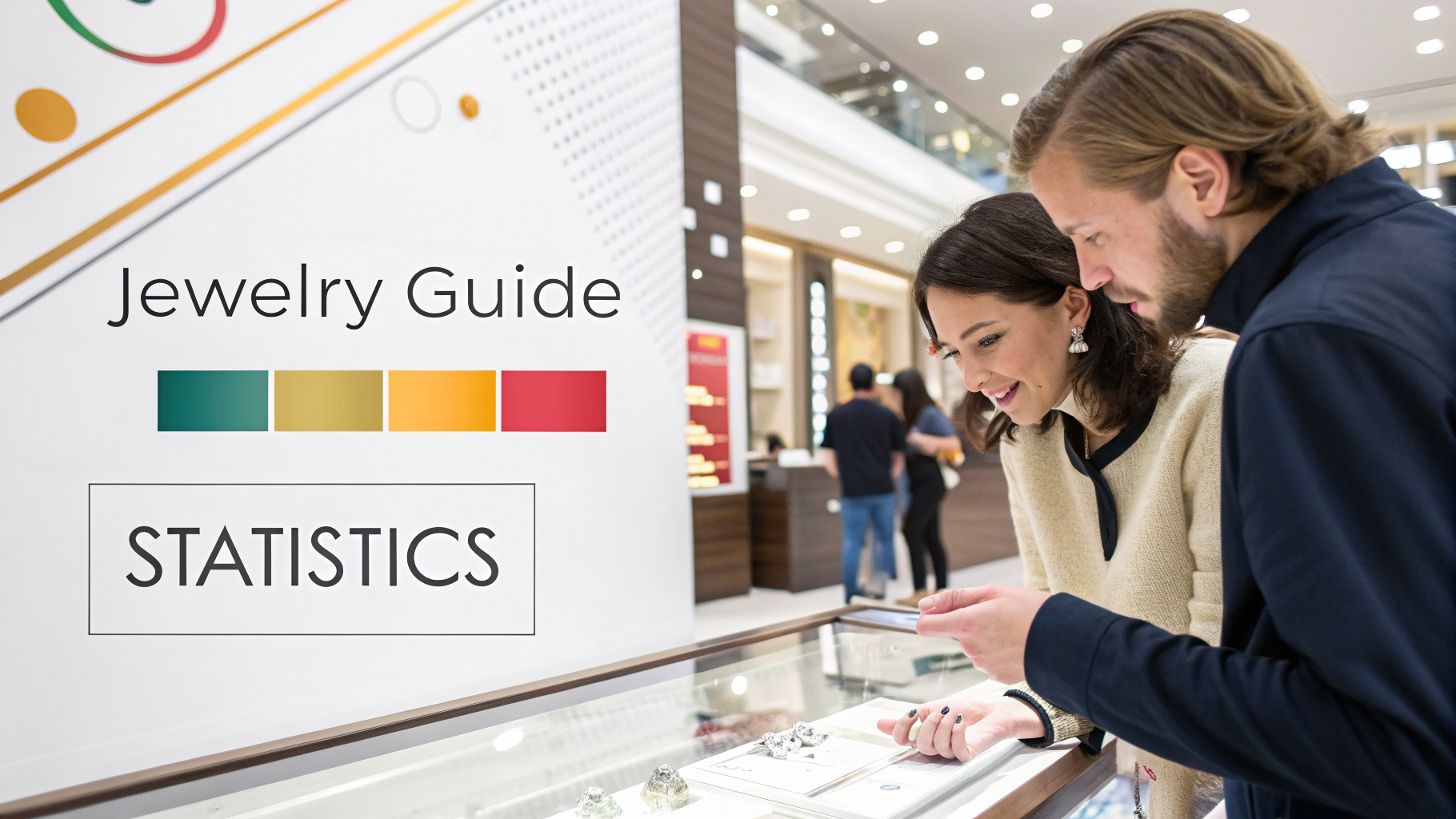
A current jewelry guide is a comprehensive resource detailing modern accessory trends, sustainable materials, and styling techniques for contemporary buyers. It helps consumers navigate market shifts, understand the rise of lab-grown stones, and build meaningful, everyday collections that reflect personal values and milestones.
Current Jewelry Guide in Context
- Global jewelry market revenue is projected to reach 408.2 billion US dollars in 2026 (Statista, 2026)[1].
- Online channels are expected to account for 29 percent of global jewelry sales by 2026 (McKinsey & Company, 2025)[2].
- Roughly 79 percent of Gen Z jewelry consumers say sustainability influences their purchase decisions (Deloitte, 2025)[3].
A current jewelry guide serves as an essential roadmap for navigating the rapidly evolving accessory landscape. As consumer preferences shift toward meaningful purchases and sustainable practices, understanding market dynamics is more important than ever. Today’s buyers are moving away from fleeting fads, focusing instead on versatile pieces that tell a personal story. This shift is evident in the rising popularity of recycled metals and responsibly sourced stones. Whether you are exploring silver rings, stackable designs, or bold statement pieces, staying informed helps you make confident choices. In this article, we will explore the latest industry trends, examine the impact of digital shopping channels, and provide actionable styling advice. By the end, you will have a clear understanding of how to curate a collection that aligns with both modern aesthetics and ethical values.
The Shift Toward Sustainable and Meaningful Pieces
Modern consumers are increasingly prioritizing ethical sourcing and personal significance when selecting their accessories. The demand for transparency has pushed brands to adopt stricter environmental standards, making eco-friendly practices a standard expectation rather than a niche selling point. Monica Vinader, Founder and CEO of Monica Vinader Jewellery, notes this shift in consumer behavior: “We’re seeing customers gravitate toward pieces that can be worn every day but still feel special, with recycled metals and responsibly sourced stones becoming the new baseline rather than a bonus” (Financial Times, 2026)[4].
Beyond environmental concerns, buyers are seeking items that hold deep personal value. Claudia Winkleman, Head of Jewellery at the British Fashion Council, explains that “current jewelry design is all about personal storytelling – people are building small collections of pieces that say something about their values, origins, or milestones rather than buying one-off trend items” (Vogue, 2026)[5]. This desire for connection extends to highly specific niches. For instance, finding unique jewelry for pet lovers allows individuals to celebrate their bond with animals through meaningful, custom designs. Ultimately, the modern approach to accessorizing is less about following seasonal fads and more about curating a long-term collection that reflects individual identity and ethical standards.
Navigating the Market with a Current Jewelry Guide
The rapid expansion of e-commerce has fundamentally changed how people discover, evaluate, and purchase fine accessories. Digital platforms now offer unprecedented access to global artisans, independent designers, and established heritage brands. This accessibility has democratized the industry, allowing shoppers to compare prices, read detailed reviews, and verify sustainability claims before making a purchase. According to recent industry data, online channels are expected to account for 29 percent of global sales by 2026, a significant increase from previous years (McKinsey & Company, 2025)[2].
Social media platforms also play a massive role in shaping consumer preferences. Visual networks like Instagram and TikTok serve as digital showrooms where influencers and stylists showcase new ways to wear and layer different items. This constant stream of visual inspiration accelerates trend cycles and introduces buyers to styles they might not encounter in traditional brick-and-mortar stores. Furthermore, the average US consumer spends about 656 US dollars per year on these items, highlighting the substantial financial commitment many are willing to make (US Bureau of Labor Statistics, 2025)[6]. By utilizing a comprehensive current jewelry guide, shoppers can filter through the digital noise, identify reputable online retailers, and make informed decisions that align with their personal budgets and aesthetic preferences.
Emerging Design Trends and Styling Techniques
Contemporary design is embracing a more relaxed, individualized approach to styling, moving away from rigid traditional rules. The modern aesthetic favors eclecticism, encouraging wearers to mix different textures, metals, and eras to create a look that feels entirely their own.
Key Styles in the Current Jewelry Guide
One of the most prominent trends is the deliberate mixing of metal tones. Kendra Sharpe, a stylist and founder of Kendra Sharpe Styling and Creative, observes that “more people are mixing metals, layering different pieces, and creating jewelry looks that feel less polished and a little more natural” (Business Insider, 2026)[7]. This relaxed approach extends to the incorporation of vibrant colors and unconventional materials. Elise Quick, a jeweler and cofounder of C&E Fine Jewelry, points out that “we’ve been seeing a lot of people playing with color – beaded pieces made with raw-cut sapphire, emerald, and turquoise feel modern but still elevated” (Business Insider, 2026)[7].
Additionally, the concept of reserving elaborate pieces for special occasions is fading. Jesse Ray Vasquez, founder of Nickho Rey, notes that “bold jewelry is no longer reserved for cocktail parties or weddings – oversized rings, diamonds, and layered chains are now being paired with jeans and a T-shirt to create a street-chic look” (Business Insider, 2026)[7]. This democratization of high-end styling allows individuals to express their creativity daily, transforming everyday outfits into personalized fashion statements.
The Rise of Lab-Grown and Vintage Alternatives
Innovations in gemstone creation and a renewed appreciation for historical designs are reshaping the retail landscape. As buyers become more educated about the environmental and ethical implications of traditional mining, alternative options have surged in popularity. Lab-grown diamonds, which possess the exact same physical and chemical properties as mined stones, now represent about 20 percent of the global diamond market by value, a massive leap from just a few years ago (Bain & Company, 2025)[8].
These lab-created options offer a conflict-free, environmentally lighter alternative that appeals strongly to younger, eco-conscious demographics. Alongside this technological advancement, the secondary market is experiencing a renaissance. Second-hand and vintage pieces are growing at an annual rate of 8 percent, easily outpacing the broader market growth of around 3 percent (Boston Consulting Group, 2025)[9]. Shoppers are drawn to the unique history, superior craftsmanship, and inherent sustainability of buying pre-owned items. For those seeking highly specific thematic pieces, exploring a curated cat lover gift guide can help uncover charming, vintage-inspired trinkets that appeal to feline enthusiasts. To understand the scientific distinctions between natural and synthetic stones, buyers can consult comprehensive gemological research and educational resources provided by leading institutes.
Questions from Our Readers
How do I start building a sustainable accessory collection?
Start by researching brands that prioritize recycled metals and responsibly sourced stones. Look for transparent supply chains and third-party certifications that verify ethical labor practices. Instead of buying numerous cheap items, invest in a few high-quality, versatile pieces that you can wear daily. This approach reduces waste and ensures your collection holds long-term value.
Are lab-grown stones considered real gemstones?
Yes, lab-grown stones are chemically, physically, and optically identical to their mined counterparts. The only difference is their origin. They are created in controlled laboratory environments using advanced technological processes that replicate the natural conditions under which stones form. This makes them a genuine, often more affordable, and environmentally friendly alternative for modern buyers.
What is the best way to layer necklaces without tangling?
To prevent tangling, combine chains of significantly different lengths and varying thicknesses. Use a mix of delicate and heavier links, and ensure the clasps are secure. You can also use specialized layering clasps that hold multiple chains in place at the back of your neck. Adding a pendant to the longest chain also helps weigh it down and keep the layers separated.
How has social media changed modern purchasing habits?
Social media has accelerated trend cycles and shifted purchasing behavior toward highly visual, influencer-driven discovery. Platforms like Instagram and TikTok act as digital showrooms, allowing users to see how items look in real-life styling scenarios before buying. This constant exposure to new designs encourages more frequent, trend-responsive purchases and heavily influences the popularity of specific aesthetics like layered chains or mixed metals.
Comparing Modern Purchasing Approaches
Understanding the different avenues for acquiring accessories helps buyers align their purchases with their personal values and budgets. Each method offers distinct advantages regarding cost, sustainability, and uniqueness.
| Approach | Primary Benefit | Best For |
|---|---|---|
| Buying New Fine Items | Customization and warranties | Milestone celebrations |
| Choosing Lab-Grown Stones | Lower cost and ethical sourcing | Eco-conscious buyers |
| Shopping Vintage Pieces | Unique history and sustainability | Collectors seeking rare designs |
| Using a current jewelry guide | Informed decision-making | First-time buyers navigating trends |
Practical Tips for Accessory Care and Styling
Maintaining and styling your collection properly ensures it remains in excellent condition for years to come. Proper care prevents tarnishing, scratching, and accidental damage, preserving both the aesthetic and financial value of your items.
- Store silver rings and other delicate items in individual soft cloth pouches to prevent them from scratching against one another.
- Remove all accessories before swimming, showering, or applying lotions, as chemicals and moisture can accelerate tarnishing and degrade certain gemstones.
- When layering, start with a shorter choker or collar, add a mid-length pendant, and finish with a longer chain to create a balanced, cascading effect.
Regular cleaning is also essential. Use a mild soap solution and a soft-bristled brush to gently remove dirt and oils from intricate settings. For pieces with porous stones like turquoise or pearls, avoid harsh chemicals entirely and simply wipe them with a damp cloth. By integrating these simple habits into your routine, you can keep your collection looking vibrant and polished, ready to elevate any outfit.
The Bottom Line
The modern accessory landscape is defined by a desire for personal expression, ethical sourcing, and versatile styling. By leveraging a comprehensive current jewelry guide, consumers can confidently navigate the shift toward sustainable metals, lab-grown alternatives, and eclectic layering techniques. Building a meaningful collection is no longer about chasing fleeting trends, but rather about curating pieces that reflect your individual story and values. To continue exploring styling advice, care instructions, and the latest market insights, be sure to browse more expert articles and resources available on freshwaterpearlnecklace.com.
Useful Resources
- Global jewelry market revenue projection. Statista.
https://www.statista.com/outlook/cmo/jewelry/worldwide - State of fashion jewelry and online channels. McKinsey & Company.
https://www.mckinsey.com/industries/retail/our-insights/state-of-fashion-jewelry - Sustainable fashion and jewellery consumer insights. Deloitte.
https://www2.deloitte.com/global/en/pages/consumer-business/articles/sustainable-fashion-and-jewellery.html - How sustainable materials are reshaping the fine-jewelry market. Financial Times.
https://www.ft.com/content/jewellery-sustainability-consumer-demand - Jewellery trends to watch this year, according to industry insiders. Vogue.
https://www.vogue.co.uk/article/jewellery-trends-industry-insiders - Consumer expenditure survey and average annual spend. US Bureau of Labor Statistics.
https://www.bls.gov/cex/tables/calendar-year/mean-item-share-average-standard-error.htm - Best and worst jewelry right now summer trends. Business Insider.
https://www.businessinsider.com/best-and-worst-jewelry-right-now-summer-trends-jewelers-stylists-2026-5 - Global diamond industry report and lab-grown market share. Bain & Company.
https://www.bain.com/insights/global-diamond-industry-report-2025 - Luxury resale and vintage jewellery market growth. Boston Consulting Group.
https://www.bcg.com/publications/2025/luxury-resale-and-jewellery-market
For more about Jewelrycurrent guide, see Jewelrycurrent Guide.