
The Complete Dragonyurts Guide for Beginners
Discover the ultimate dragonyurts guide for your next outdoor adventure. Learn about assembly, eco-friendly materials, and off-grid living tips right now.
Table of Contents
- The Anatomy of a Circular Tent
- Preparing Your Land Using a Dragonyurts Guide
- Managing Temperature in Off-Grid Living
- Designing the Interior of Your Shelter
- Questions from Our Readers
- Comparing Shelter Options
- Practical Tips for Longevity
- Wrapping Up
The Dragonyurts Guide provides essential knowledge for anyone looking to embrace a nomadic dwelling lifestyle. These circular tents offer a unique blend of traditional architecture and modern sustainable design. Whether you are planning a weekend wilderness retreat or a permanent off-grid living setup, understanding the nuances of portable housing is crucial. This article explores the wooden lattice framework, canvas covering options, and proper site preparation. We will also discuss heating solutions and ventilation systems to ensure your eco-friendly shelter remains comfortable year-round. Many people are drawn to the aesthetic and practical benefits of these structures. They provide excellent weather resistance while maintaining a deep connection to natural materials. By the end of this read, you will have a solid foundation for your outdoor adventure and a clear understanding of how to build a reliable camping setup.
The Anatomy of a Circular Tent
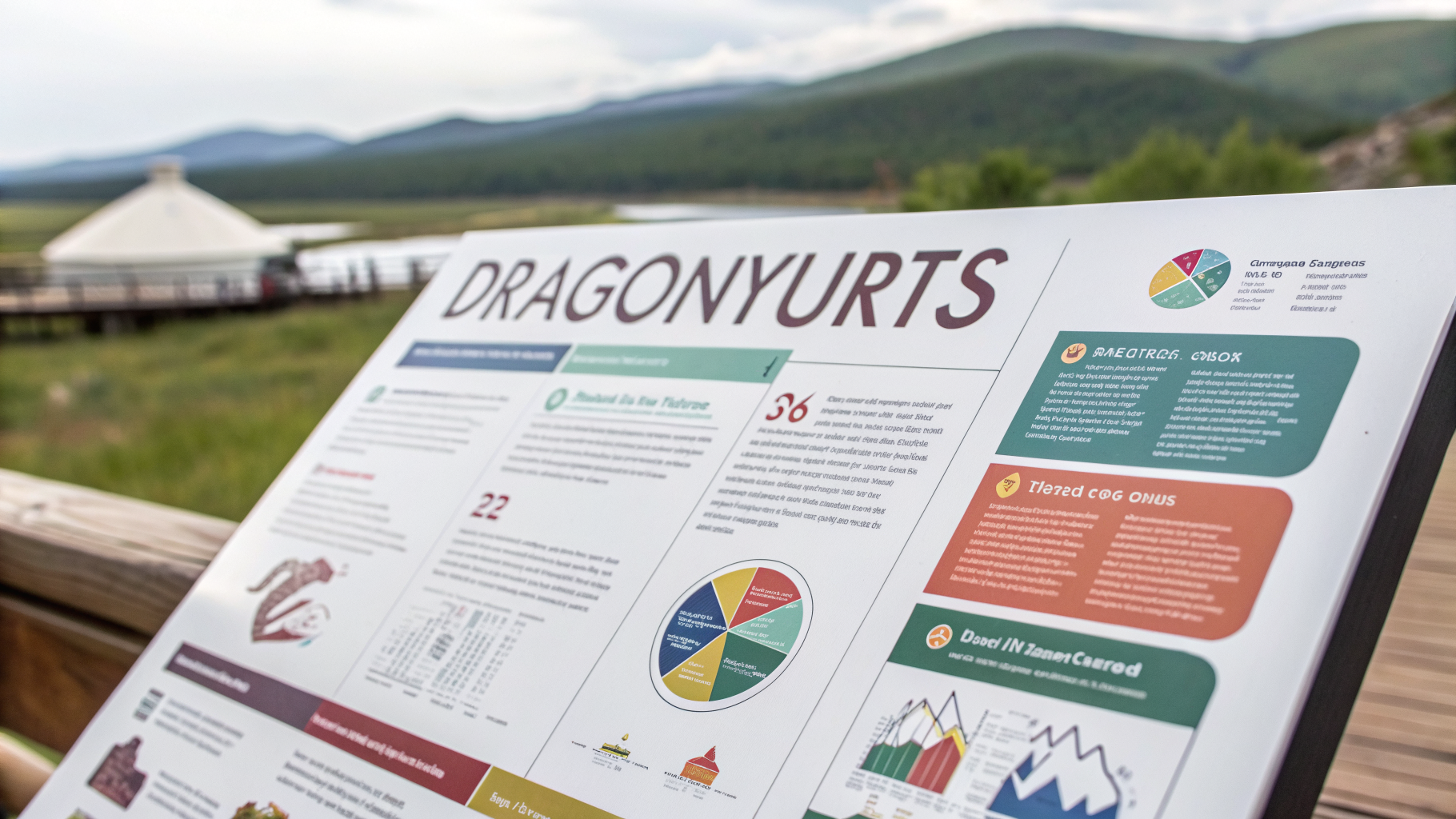
Every portable housing unit relies on a carefully engineered wooden lattice to maintain its shape and structural integrity. The framework typically consists of expandable wall sections made from flexible wood, which are lashed together to form a continuous circle. This design distributes weight evenly, allowing the structure to withstand significant external pressure from wind and snow. At the top of the walls sits the roof ring, often called the crown, which supports the radial roof poles. These poles slope downward to the wall lattice, creating the iconic domed or conical roof shape that defines a circular tent.
To secure the frame, heavy-duty tension bands are wrapped around the exterior. These bands prevent the walls from expanding outward under the weight of the roof. Once the skeleton is secure, the canvas covering is applied. Modern covers often include multiple layers, such as a waterproof outer shell, a reflective insulation layer, and an inner decorative liner. Understanding the historical evolution of nomadic dwellings helps modern builders appreciate why these ancient engineering principles remain highly effective today. The combination of flexible joints and rigid tension creates a structure that moves slightly with the wind rather than resisting it, which is a key factor in its remarkable durability and long lifespan.
Preparing Your Land Using a Dragonyurts Guide
Proper site preparation is the most critical step before assembling any eco-friendly shelter. A flat, well-drained surface is mandatory to prevent water pooling and structural shifting. Builders typically construct a raised wooden deck or a compacted gravel pad to elevate the floor above the ground. This elevation protects the canvas covering from moisture damage and deters pests. When following a detailed dragonyurts guide, you will learn that measuring the exact diameter of your platform is essential, as even a few inches of deviation can make assembling the wooden lattice incredibly difficult.
Once the foundation is ready, the assembly instructions generally dictate starting with the door frame. The door frame acts as the fixed anchor point for the expanding wall sections. After the walls are connected and the tension bands are secured, the roof poles are inserted into the crown and lashed to the lattice. If you are setting up a retreat for friends and family, you might also want to prepare the interior with cozy accessories, much like finding the perfect items in a cat lover gift guide for your furry companions who will join you. Taking the time to clear overhead branches and establish a proper drainage slope around the perimeter will save you from major maintenance headaches down the road.
Managing Temperature in Off-Grid Living
Maintaining a comfortable interior climate requires strategic heating solutions and effective insulation layers. Because of the high ceiling and open floor plan, heat naturally rises and can escape through the roof crown if not managed properly. A centrally located wood stove is the most popular heating choice, as it radiates warmth evenly across the circular floor space. The stovepipe typically exits through the roof ring, which is fitted with a specialized flashing kit to maintain the waterproof seal of the canvas covering.
For summer months or warmer climates, ventilation systems are crucial. The roof crown can be opened to allow hot air to escape, creating a natural chimney effect that draws cooler air in from the lower wall sections or doors. Adding reflective insulation between the outer canvas and the inner liner significantly improves the thermal mass of the shelter, keeping it cool in the sun and warm in the snow. A thorough dragonyurts guide will always emphasize the importance of managing interior humidity. Without proper airflow, condensation can build up on the inner liner, leading to mold growth and degrading the natural materials over time. Installing a small solar-powered exhaust fan can help regulate moisture levels efficiently.
Designing the Interior of Your Shelter
The open floor plan of a circular tent offers limitless possibilities for creative interior design. Unlike rectangular rooms, the absence of sharp corners encourages a more fluid arrangement of furniture and living spaces. Builders often use the central roof ring as a focal point, hanging chandeliers, drying racks, or decorative mobiles from the sturdy wooden crown. Zoning the space is easily achieved by using low bookshelves, rugs, or fabric dividers to separate the sleeping area from the kitchen or lounge space without blocking the natural light that filters through the canvas.
Incorporating natural materials into the decor enhances the organic feel of the structure. Wooden furniture, woven textiles, and stone accents blend seamlessly with the exposed wooden lattice. Many owners bring their pets along on these trips, and sharing photos of cats cute and cozy by the wood stove has become a beloved tradition among the glamping community. When planning your layout, keep the center of the room relatively clear to maintain the sense of spaciousness. Utilizing the curved walls for custom-built shelving or hanging storage maximizes floor space and keeps the wilderness retreat feeling tidy and organized.
Questions from Our Readers
How long does it take to assemble the structure?
Can these shelters withstand heavy snow and wind?
What is the best flooring option for damp climates?
Do I need a building permit for a portable housing unit?
Comparing Shelter Options
Choosing the right shelter for your property involves weighing the benefits of traditional buildings against alternative structures. While cabins offer permanent stability, circular tents provide unmatched flexibility and a closer connection to nature. The following table highlights the key differences between popular outdoor living options to help you make an informed decision based on the recommendations in your dragonyurts guide.
| Feature | Circular Tent | Traditional Cabin | Canvas Bell Tent |
|---|---|---|---|
| Assembly Time | 1 to 2 Days | Several Months | 1 to 2 Hours |
| Structural Integrity | High (Lattice Frame) | Very High (Timber Frame) | Low (Single Pole) |
| Weather Resistance | Excellent | Superior | Moderate |
| Portability | Highly Portable | Permanent | Highly Portable |
Practical Tips for Longevity
Maintaining your shelter ensures it remains a safe and comfortable retreat for many years. Regular upkeep prevents minor issues from becoming costly repairs. Here are the best practices for extending the life of your canvas and wooden components:
- Inspect the canvas covering twice a year for signs of mildew, tearing, or UV degradation, and apply a waterproofing treatment annually.
- Check the tension bands after severe storms, as the wooden lattice can shift slightly, requiring you to tighten the exterior straps to maintain structural integrity.
- Keep the surrounding vegetation trimmed back at least three feet from the exterior walls to promote airflow and prevent moisture buildup on the canvas.
When storing the shelter for the winter or moving to a new location, ensure all canvas layers are completely dry before folding them. Trapped moisture will quickly lead to mold, which can permanently ruin the fabric. Store the wooden lattice in a dry, climate-controlled space to prevent the wood from warping or cracking over time.
Wrapping Up
Building and maintaining a circular canvas shelter is a rewarding endeavor that blends ancient engineering with modern comfort. By following a reliable dragonyurts guide, you can create a beautiful, sustainable retreat that stands up to the elements while providing a unique living experience. Whether you are seeking a quiet weekend getaway or a full-time off-grid home, the flexibility and charm of these structures are hard to beat. Explore more outdoor living ideas and sustainable lifestyle tips right here on freshwaterpearlnecklace.com to continue your journey toward a more connected, natural way of life.
Learn More
- Yurt. Wikipedia.
https://en.wikipedia.org/wiki/Yurt
For more about Dragonyurts guide, see Dragonyurts Guide.