
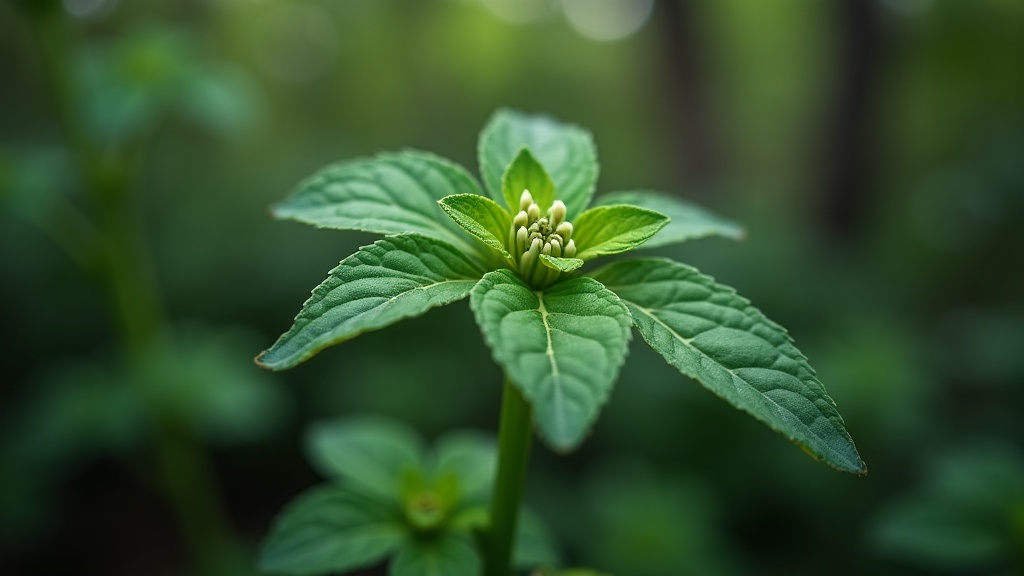
Best creepinghemlock Landscaping Tips
Discover the best creepinghemlock for your garden. Learn how to identify safe evergreen groundcovers and avoid dangerous toxic weeds like poison hemlock.
Table of Contents
- Identifying Safe Evergreen Groundcovers
- The Danger of Toxic Lookalikes
- Growth Cycles and Spread of Noxious Weeds
- Eradication and Control Strategies
- Important Questions About the best creepinghemlock
- Comparison
- Practical Tips
- The Bottom Line
For more about Best seo content writing services, see explore best seo content writing services in depth.
Key Takeaway
The best creepinghemlock is a low-growing evergreen groundcover prized for shade landscaping. When selecting this plant, gardeners must carefully distinguish it from highly toxic herbaceous weeds to ensure a safe and thriving garden environment.
Market Snapshot
- Poison hemlock plants can grow to a height of 6 to 10 feet in their second year, forming large stands that dominate roadsides and fields (University of California Statewide Integrated Pest Management Program, 2024)[1].
- Individual poison hemlock plants can produce more than 30,000 seeds, allowing infestations to expand rapidly if not controlled (University of California Statewide Integrated Pest Management Program, 2024)[1].
- Poison hemlock seed can remain viable in the soil for up to 6 years, contributing to long-term persistence of infestations (University of California Statewide Integrated Pest Management Program, 2024)[1].
Introduction
Finding the best creepinghemlock for your landscape requires understanding both its horticultural benefits and the risks of misidentification. Many gardeners seek out this resilient evergreen to fill shady spots, but confusing it with dangerous lookalikes can lead to severe consequences. The true creeping hemlock plant is a safe, attractive option, whereas similarly named toxic weeds pose significant threats to humans and animals. This article explores how to select, identify, and maintain the right groundcover while avoiding hazardous invasive species. We will cover identification markers, growth cycles, and effective eradication strategies to keep your garden secure and visually appealing throughout the seasons.
Identifying Safe Evergreen Groundcovers
Selecting the right prostrate hemlock involves recognizing its distinct evergreen foliage and growth habits. The best creeping hemlock varieties, such as Tsuga canadensis ‘Prostrata’, are woody, shade tolerant shrubs that hug the ground. They feature soft, flat needles and a sprawling root system that stabilizes soil on slopes. Unlike herbaceous weeds, this creeping hemlock groundcover remains green year-round, providing consistent texture in landscaping designs.
When shopping for the best creepinghemlock, inspect the nursery tag to confirm the botanical name. True hemlocks are conifers belonging to the genus Tsuga. They thrive in partial to full shade and require well-draining, slightly acidic soil. Proper site selection ensures the plant establishes quickly without suffering from root rot. For more shade-tolerant options, read our comprehensive shade garden planting guide to find complementary plants that pair well with low-growing conifers.
It is crucial to differentiate these safe conifers from the herbaceous poison hemlock (Conium maculatum). While the names sound similar, they are entirely unrelated. True creeping hemlock is a slow-growing woody shrub, whereas the toxic variant is a fast-growing, weedy biennial. Understanding this fundamental difference ensures you bring home a beneficial groundcover rather than a hazardous noxious weed. Always purchase plants from reputable nurseries to avoid accidental introduction of invasive seeds into your property.
The Danger of Toxic Lookalikes
Misidentifying toxic weeds as safe groundcovers can lead to severe health risks for humans and livestock. Poison hemlock is a highly dangerous plant that frequently invades disturbed soils, roadsides, and garden edges. According to Diane Brown, an MSU Extension Consumer Horticulture Educator, “Poison hemlock is a dangerously toxic plant that is increasing in prevalence throughout Michigan, and all parts of the plant, including the leaves, stem, flowers and roots, are poisonous” (Michigan State University Extension, 2024)[2].
The toxicity of this invasive species stems from potent alkaloids, primarily coniine. Ingestion of as little as 0.5 to 1 gram of coniine can be fatal to an adult human (USDA Agricultural Research Service, 2024)[3]. The threat extends to animals as well; a lethal dose of fresh poison hemlock leaves for cattle is approximately 0.2 to 0.5 percent of the animal’s body weight (USDA Agricultural Research Service, 2024)[3]. Most human and livestock poisonings occur in the spring when the plant is still green and other forage is limited.
Because of these severe risks, accurate identification is paramount. Poison hemlock features parsley-like, fern-like foliage and a smooth, hairless stem often mottled with purple blotches. It lacks the woody structure and soft needles of a true creeping hemlock plant. If you spot this toxic weed near your garden beds, avoid touching it with bare hands and keep pets away from the area. Never attempt to trim or mow the weed without proper protective equipment, as the sap can cause skin irritation and the dust from dried plants can be harmful if inhaled.
Growth Cycles and Spread of Noxious Weeds
Understanding the biennial growth cycle of invasive weeds is crucial for preventing them from overtaking your garden beds. Poison hemlock typically completes its life cycle in 2 years, growing as a low rosette in year one and bolting, flowering, and setting seed in year two (North Carolina State University Extension, 2024)[4]. During the first year, the low-growing rosette can easily be mistaken for a harmless groundcover or wild carrot, making early detection difficult for inexperienced gardeners.
Once the plant bolts in its second year, it rapidly gains height and produces umbrella-shaped clusters of small white flowers. Steve L. Young, a Weed Ecologist with the USDA, notes that “Poison hemlock is a prolific seed producer; once it becomes established along roadsides and fencerows it can quickly spread into adjacent pastures, hay fields, and other agricultural areas” (UC Statewide IPM Program, 2024)[1]. This rapid expansion threatens both natural ecosystems and cultivated landscapes.
To manage these threats effectively, consult the University of California integrated pest management guidelines for detailed biological and chemical control options. Preventing the weed from reaching the bolting stage stops it from dropping thousands of seeds. The sheer scale of this problem is evident in regions like King County, Washington, where poison hemlock has been documented at over 1,000 separate infestation sites, earning it a Class B noxious weed classification that mandates control in select areas (King County Noxious Weed Control Program, 2024)[5].
Eradication and Control Strategies
Effective eradication of invasive species ensures your best creeping hemlock groundcover remains healthy and uncontaminated. When dealing with toxic weeds, timing and method are everything. Joe Neal, Professor of Weed Science at NC State Extension, explains that “The best time to control poison hemlock is when plants are in the rosette stage, before they bolt and flower, because smaller plants are more sensitive to herbicides and easier to remove manually” (North Carolina State University Extension, 2024)[4].
Manual removal is viable for small infestations. Wear protective gloves, long sleeves, and eye protection. Dig out the entire taproot to prevent regrowth, and dispose of the plant material in sealed plastic bags. Never compost toxic weeds, as the alkaloids can persist and contaminate your soil, potentially harming your desirable plants later.
For larger infestations, chemical control may be necessary. Herbicides containing triclopyr or triclopyr plus 2,4-D provide greater than 90 percent control of poison hemlock when applied to rosettes before bolting (Purdue University Extension, 2024)[6]. Always apply herbicides carefully to avoid damaging your desirable evergreen groundcovers. Shield your prostrate hemlock with a physical barrier during spraying, and follow all label instructions to protect local waterways and beneficial insects. Consistent monitoring over several years is required to deplete the seed bank and achieve total eradication.
Important Questions About the best creepinghemlock
Is the best creepinghemlock safe for pets?
Yes, true creeping hemlock (Tsuga canadensis varieties) is completely safe for pets and humans. It is a non-toxic coniferous shrub. However, you must ensure you have not accidentally planted poison hemlock (Conium maculatum), which is highly toxic and fatal if ingested by dogs, cats, or livestock. Always verify the botanical name on the nursery tag before planting.
How do I distinguish a creeping hemlock plant from poison hemlock?
A true creeping hemlock plant is a woody evergreen shrub with soft, flat needles and a sprawling growth habit. Poison hemlock is an herbaceous biennial weed with fern-like, parsley-like leaves and a smooth, hollow stem featuring purple blotches. True hemlock stays low to the ground year-round, while poison hemlock bolts upward to reach heights of 6 to 10 feet in its second year.
Can I use herbicides near my prostrate hemlock?
You must use extreme caution when applying herbicides near any desirable broadleaf or woody plants. Broadleaf herbicides used to kill poison hemlock can easily drift and damage or kill your prostrate hemlock groundcover. Use a physical shield, such as a piece of cardboard, to block spray drift, and apply chemicals on calm, windless days to protect your landscaping.
Why is my creeping hemlock groundcover turning brown?
Browning foliage on a creeping hemlock groundcover is usually caused by environmental stress rather than disease. Common culprits include poor drainage leading to root rot, severe drought, or exposure to harsh winter winds. Ensure the soil is well-draining, provide supplemental water during dry spells, and consider applying a layer of mulch to retain moisture and protect the shallow root system.
Comparison
Comparing different hemlock varieties and lookalikes helps gardeners make informed planting decisions. While true hemlocks are safe conifers, similarly named plants vary wildly in toxicity and growth habits.
| Plant Type | Foliage | Toxicity | Growth Habit |
|---|---|---|---|
| Creeping Hemlock (Tsuga) | Soft, flat evergreen needles | Non-toxic | Low, sprawling woody shrub |
| Poison Hemlock (Conium) | Fern-like, parsley-like leaves | Highly toxic | Tall, herbaceous biennial weed |
| Canadian Hemlock Tree | Standard evergreen needles | Non-toxic | Upright, large forest tree |
Practical Tips
Maintaining a thriving landscape requires consistent care and vigilant monitoring. To keep your groundcovers healthy and your property free of toxic weeds, follow these actionable best practices.
- Mulch appropriately: Apply a two-inch layer of organic mulch around your creeping hemlock groundcover to retain soil moisture and suppress weed seed germination.
- Monitor edges: Inspect the perimeter of your property monthly, as noxious weeds often invade from neighboring roadsides or fencerows.
- Prune lightly: Trim the tips of your prostrate hemlock in early spring to encourage dense, lateral branching and maintain a neat appearance.
Integrating these habits into your seasonal routine prevents minor issues from becoming major infestations. For more detailed advice on caring for your conifers, review our essential evergreen maintenance routines to ensure your plants thrive for decades. Consistent observation is the best defense against invasive species taking root in your carefully curated garden beds.
The Bottom Line
Selecting the best creepinghemlock transforms shady, difficult areas of your yard into lush, green landscapes. By understanding the distinct differences between safe coniferous groundcovers and dangerous toxic weeds, you protect your family, pets, and local ecosystem. Always verify plant identities, act quickly to eradicate invasive rosettes, and maintain your garden beds with proactive care. Ready to upgrade your shade garden? Explore our full catalog of groundcover varieties to find the perfect evergreen solution for your property today.
Sources & Citations
- Poison Hemlock – UC IPM Home & Landscape. University of California Statewide Integrated Pest Management Program.
https://ipm.ucanr.edu/home-and-landscape/poison-hemlock/ - Poison hemlock: Toxic and spreading in Michigan. Michigan State University Extension.
https://www.canr.msu.edu/news/poison-hemlock-toxic-and-spreading-in-michigan - Poison Hemlock (Conium maculatum). USDA Agricultural Research Service, Poisonous Plant Research Laboratory.
https://www.ars.usda.gov/pacific-west-area/logan-ut/poisonous-plant-research/docs/poison-hemlock-conium-maculatum/ - Poison hemlock: Identification and management in landscapes. North Carolina State University Extension.
https://content.ces.ncsu.edu/poison-hemlock-identification-and-management-in-landscapes - Poison hemlock identification and control. King County Noxious Weed Control Program.
https://kingcounty.gov/en/dept/dnrp/nature-recreation/environment-ecology-conservation/noxious-weeds/identification-control/poison-hemlock - Poison hemlock. Purdue University Extension Pest&Crop Newsletter.
https://extension.entm.purdue.edu/newsletters/pestandcrop/article/poison-hemlock-2/