Best Dragonyurts for Your Next Wilderness Retreat
Discover the best dragonyurts for your next outdoor adventure. Learn about eco-friendly shelters, canvas tents, and how to choose the perfect circular dwelling.
Table of Contents
- Key Takeaway
- The Architecture Behind the Best Dragonyurts
- Selecting Materials for Premium Dragonyurts
- Equipping Leading Dragonyurts for Off-Grid Living
- Choosing the Perfect Location for the Highest-Rated Dragonyurts
- What People Are Asking
- Comparing Different Yurt Approaches
- Practical Tips for Yurt Owners
- Final Thoughts on the Best Dragonyurts
- Useful Resources
For more about Best dragonyurts, see learn more about best dragonyurts.
Key Takeaway
Finding the best dragonyurts means discovering premium circular dwellings designed for eco-friendly glamping and off-grid living. These unique structures combine traditional wooden lattice frames with modern insulated covers, offering comfortable wilderness accommodation for sustainable architecture enthusiasts seeking memorable nature escapes and rustic getaways.
The best dragonyurts offer an unparalleled blend of rustic charm and modern comfort for outdoor enthusiasts. As glamping continues to rise in popularity, travelers and homeowners alike are seeking alternative living spaces that connect them directly with nature. These circular dwellings, inspired by ancient nomadic tents, provide a unique sanctuary in the wilderness. Whether you are planning a weekend nature escape or looking into portable housing for a permanent off-grid setup, understanding the nuances of these structures is essential. In this article, we will explore the architectural features, material choices, and practical considerations that define the finest dragonyurts on the market. From the sturdy timber frames to the cozy interiors, every element plays a role in creating the ultimate rustic getaway. By examining the core components of yurt camping, you can make an informed decision for your next outdoor retreat.
The Architecture Behind the Best Dragonyurts
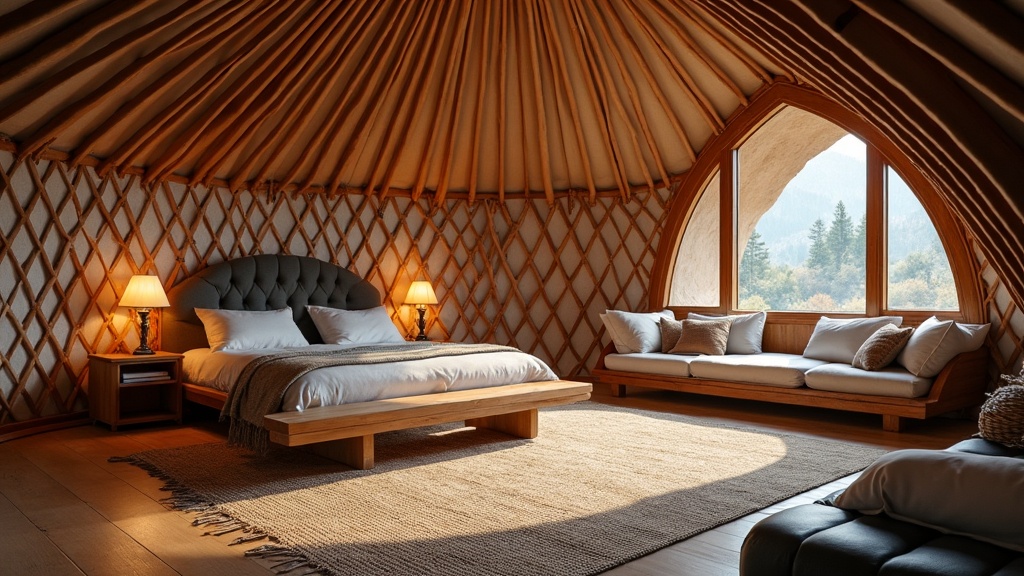
The structural integrity of any high-quality yurt relies on a carefully engineered wooden lattice system. Unlike conventional rectangular buildings, these circular dwellings distribute stress evenly across their perimeter, making them remarkably resilient against high winds and heavy snow loads. The traditional design draws heavily from Mongolian gers, which have sheltered nomadic communities for centuries. Modern iterations utilize kiln-dried timber frames that resist warping and provide a robust skeleton for the exterior fabric.
When evaluating the top dragonyurts, buyers should pay close attention to the joinery and the tension bands that hold the roof rafters in place. Much like evaluating the structural integrity in a comprehensive timber grading system, assessing the quality of yurt wood requires a keen eye for detail and an understanding of material grades. The aerodynamic profile of the circular walls allows wind to flow smoothly around the structure, reducing the lateral pressure that typically damages flat-walled tents. This inherent strength is a primary reason why these structures are favored for extreme weather environments.
The central roof ring, often called the crown, is the most critical component of the frame. It acts as the keystone, supporting the downward thrust of the roof poles while allowing for a central skylight. This opening not only brings natural light into the cozy interiors but also facilitates essential air circulation. By combining ancient engineering principles with modern precision milling, manufacturers create a highly stable framework that serves as the foundation for exceptional wilderness accommodation.
Selecting Materials for Premium Dragonyurts
The longevity and comfort of these eco-friendly shelters depend heavily on the quality of the canvas and insulation used. While early versions relied on animal hides and felt, contemporary models utilize advanced synthetic blends and heavy-duty canvas tents that offer superior water resistance and breathability. The outer shell must withstand intense ultraviolet radiation, driving rain, and abrasive dust without degrading or losing its waterproof coating.
To achieve true four-season usability, the leading dragonyurts incorporate multi-layered insulated covers. These thermal barriers trap heat during the winter and reflect solar radiation during the summer, significantly reducing the energy required to maintain a comfortable indoor climate. According to the National Park Service sustainable design guidelines, utilizing natural and breathable materials in remote structures minimizes environmental impact while maximizing energy efficiency. This alignment with sustainable architecture principles makes them an attractive choice for eco-conscious buyers.
Furthermore, the interior liner plays a crucial role in both aesthetics and thermal performance. A high-quality liner conceals the lattice work, adds an extra layer of insulation, and creates a warm, inviting atmosphere. When shopping for the best dragonyurts, ensure that the manufacturer offers customizable fabric options that suit your specific climatic needs and visual preferences.
Proper tensioning of these fabric layers is equally important. If the canvas is too loose, it will pool water and sag; if it is too tight, it may tear under extreme temperature fluctuations. Experienced builders use specialized ratchets and turnbuckles to achieve the perfect drum-like tension, ensuring the structure remains taut and secure year-round.
Equipping Leading Dragonyurts for Off-Grid Living
Transitioning to a fully functional off-grid lifestyle requires integrating modern utilities into a traditional nomadic tent design. Because these structures lack pre-installed plumbing and electrical systems, owners must thoughtfully plan their utility layouts before assembly. Solar power is the most common energy solution, with photovoltaic panels easily mounted on adjacent ground arrays or nearby structures to avoid compromising the yurt’s fabric roof.
For heating, a compact wood-burning stove is the classic choice, venting directly through a specialized fireproof wall jack. This provides radiant heat that quickly warms the open-concept space. Alternatively, propane heaters or electric radiant panels can be used if a reliable fuel source or battery bank is available. Water management is another critical aspect of alternative living. Many owners install rainwater catchment systems that feed into gravity-based filtration units, providing clean water for sinks and showers.
Waste disposal is typically handled by composting toilets, which require no plumbing and produce valuable fertilizer for surrounding gardens. When configuring the highest-rated dragonyurts for full-time residence, it is essential to zone the interior space effectively. Using curved partition walls or strategic furniture placement helps create distinct areas for sleeping, cooking, and relaxing, transforming a single open room into a highly functional and comfortable home.
Lighting also plays a pivotal role in off-grid setups. Low-voltage LED strips and battery-operated lanterns provide ample illumination without draining precious solar reserves. By carefully balancing energy consumption with generation, residents can enjoy all the comforts of modern life while remaining entirely disconnected from the municipal grid.
Choosing the Perfect Location for the Highest-Rated Dragonyurts
The performance and lifespan of your wilderness accommodation are directly tied to the preparation of the building site. Selecting the right location involves more than just finding a scenic view; it requires a thorough assessment of drainage, wind patterns, and solar exposure. A slightly elevated site is always preferable, as it prevents water from pooling around the base during heavy rainfall and protects the wooden platform from rot.
Building a robust foundation is the next critical step. While some temporary setups use concrete blocks or ground screws, permanent installations benefit from a raised timber deck or a circular concrete pad. This elevated platform not only insulates the floor from the cold ground but also provides a secure anchoring point for the tension cables that stabilize the structure against high winds. Proper site preparation ensures that your investment remains level and secure for decades.
Sunlight exposure is another vital consideration, particularly for those relying on passive solar heating. Orienting the main entrance and the central skylight toward the south maximizes natural light and warmth during the winter months. Conversely, in hotter climates, positioning the structure under the dappled shade of deciduous trees can provide natural cooling during the summer. Unlike rigid stargazing domes, these flexible structures can be adapted to various terrains. By carefully evaluating these environmental factors, you can optimize the placement of your nature escapes and ensure a comfortable living environment year-round.
What People Are Asking
How long does it take to assemble these structures?
The assembly time varies significantly based on the size of the structure and the experience level of the build team. A small, basic model can be erected by two people in a single day, provided the foundation platform is already completed. However, larger models with multiple insulation layers, interior liners, and complex utility integrations typically require three to five days of focused labor. Hiring a professional installation crew can drastically reduce this timeline and ensure that all tension bands and fabric layers are secured to manufacturer specifications.
Are they suitable for winter climates?
Yes, when properly equipped, these circular dwellings excel in harsh winter environments. The aerodynamic shape prevents snow from accumulating heavily on the roof, as it naturally slides off the steep pitch. To maintain a warm interior, owners must install a high-quality reflective insulation layer and a reliable heat source, such as a wood-burning stove. The thick thermal barriers trap heat effectively, making them far more energy-efficient to heat than traditional canvas tents of a similar volume.
Do I need a building permit?
Permit requirements depend entirely on your local zoning laws and the intended use of the structure. In many jurisdictions, temporary or semi-permanent structures used for seasonal recreation do not require a formal building permit, especially if they are built on a non-permanent foundation like ground screws. However, if you plan to use the space as a primary residence, connect it to municipal utilities, or build a permanent concrete foundation, you will likely need to submit plans for approval. Always consult your local building department before beginning site preparation.
How do I maintain the canvas exterior?
Regular maintenance is essential to prolong the life of the outer fabric. You should inspect the canvas at least twice a year for signs of mold, mildew, or physical tears. Cleaning involves gently brushing off debris and washing the surface with a mild, non-detergent soap and a soft brush. Avoid using harsh chemicals or pressure washers, as these can strip the waterproof coating. Additionally, reapplying a specialized canvas water repellent treatment every few years will help maintain its weather resistance and structural integrity.
Comparing Different Yurt Approaches
When evaluating your options, it is helpful to compare the distinct manufacturing approaches available on the market. Each method offers unique benefits depending on your budget and intended use.
| Approach | Best For | Key Features |
|---|---|---|
| Traditional | Authentic experiences | Uses natural wood and felt, closely mimicking historical Mongolian gers. |
| Modern | Permanent residence | Features engineered timber frames, advanced architectural membranes, and integrated insulation. |
| Hybrid | Glamping businesses | Blends rustic aesthetics with modern amenities, providing the best dragonyurts for commercial retreats. |
Choosing the right category ensures your investment aligns perfectly with your lifestyle goals and environmental conditions. Understanding these distinctions allows buyers to avoid over-investing in heavy-duty materials for a simple summer retreat, or under-investing in a structure meant for harsh alpine winters.
Practical Tips for Yurt Owners
Maintaining your investment ensures it remains a comfortable sanctuary for years to come. Follow these actionable guidelines to optimize your living space and protect the structural components.
- Monitor interior humidity levels closely, especially during the winter months, to prevent condensation from forming on the inner liner and causing mold growth.
- Install a spark arrestor on your wood stove chimney to protect the roof fabric and surrounding foliage from stray embers during high winds.
- Rotate your interior furniture periodically to prevent uneven wear and fading on the floorboards caused by prolonged exposure to direct sunlight from the central skylight.
Beyond routine maintenance, consider upgrading your exterior lighting to enhance the ambiance of your outdoor retreats. Solar-powered pathway lights and warm-toned string lights draped around the perimeter can transform the area into a magical evening destination. Furthermore, planting native shrubs around the base of the platform acts as a natural windbreak and helps integrate the structure seamlessly into the surrounding landscape. These small adjustments significantly elevate the overall experience of yurt camping.
Final Thoughts on the Best Dragonyurts
Embracing this unique style of living opens the door to unforgettable outdoor experiences and a deeper connection with the natural world. Whether you are seeking a tranquil weekend hideaway or a robust permanent residence, the versatility of these structures is truly remarkable. By prioritizing quality materials, thoughtful site preparation, and diligent maintenance, you can enjoy the benefits of sustainable architecture for decades. If you are looking to complement your new outdoor lifestyle, explore thoughtful gift ideas for nature lovers to find the perfect accessories for your journey.
Useful Resources
- Sustainable Design Guidelines. National Park Service.
https://www.nps.gov/articles/sustainable-design.htm