jewelrycurrent guide: Top 2026 Trends
Discover the ultimate jewelrycurrent guide for 2026. Explore top trends like mixed metals, sustainable gems, and personalized pieces to elevate your style.
Table of Contents
- Key Takeaway
- Quick Stats: jewelrycurrent guide
- Introduction
- The Rise of Personalized and Layered Styles
- Sustainable and Lab-Grown Innovations
- Vintage Heirlooms and Refined Beaded Designs
- Navigating E-Commerce and Social Media Trends
- What People Are Asking
- Comparing Modern Jewelry Approaches
- Practical Tips
- The Bottom Line
Key Takeaway
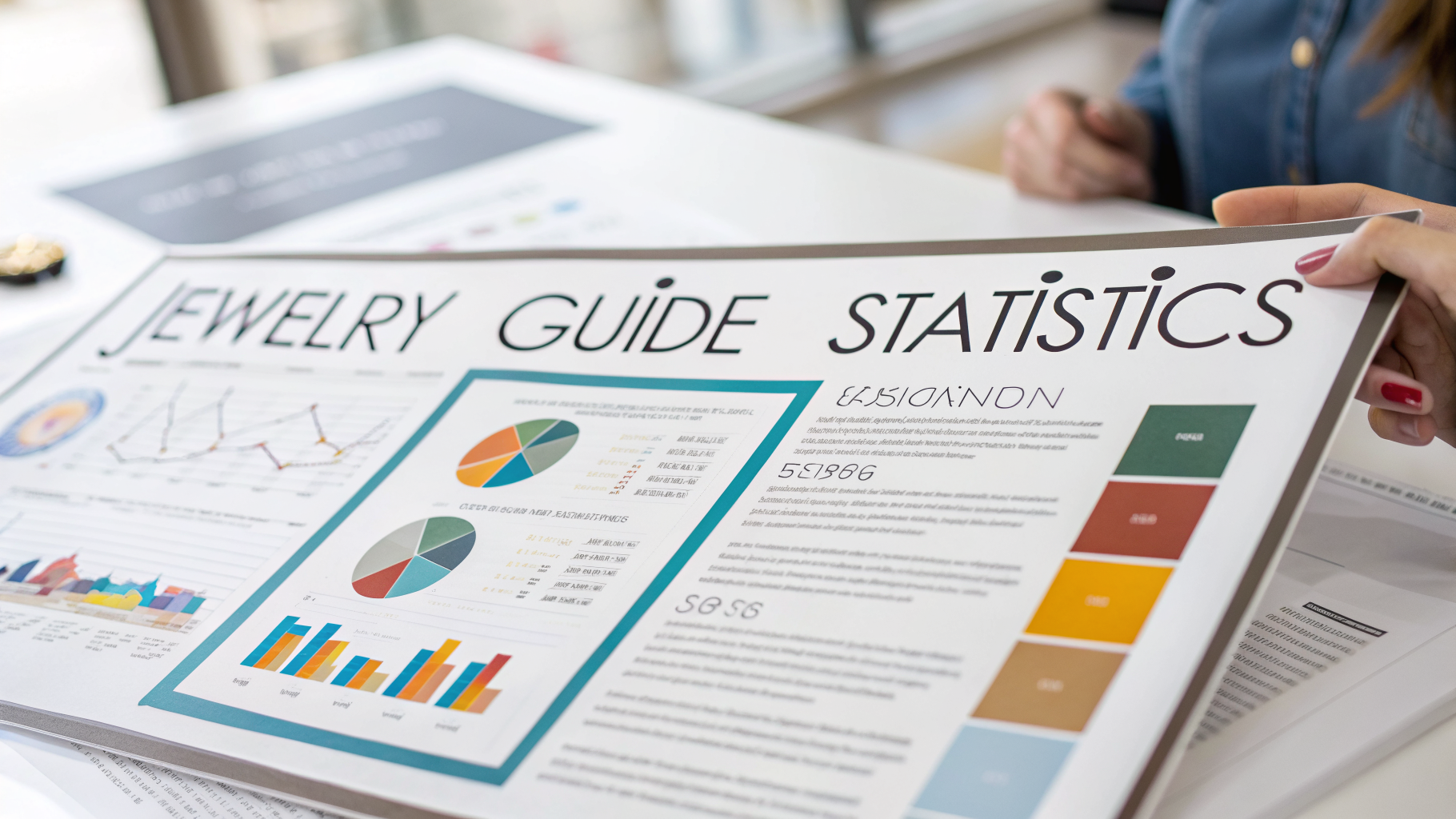
The jewelrycurrent guide is a comprehensive resource detailing the latest accessories trends, consumer preferences, and market shifts for 2026. It highlights the growing demand for personalized items, sustainable materials, and mixed-metal layering techniques that define modern fashion.
Quick Stats: jewelrycurrent guide
- Global jewelry market revenue is projected to reach 310.90 billion U.S. dollars in 2026 (Statista, 2024)[1].
- Global online jewelry sales are expected to represent 24.5 percent of total jewelry sales in 2026 (McKinsey & Company, 2025)[2].
- About 41 percent of U.S. jewelry shoppers purchased at least one piece of personalized or custom jewelry in the previous 12 months (National Jeweler / Jewelers of America, 2025)[3].
- Approximately 70 percent of Gen Z jewelry consumers say they are willing to pay more for sustainably produced pieces (De Beers Group, 2025)[4].
Introduction
The jewelrycurrent guide provides essential insights into the evolving landscape of modern accessories. As consumer preferences shift toward individuality and sustainability, the industry is adapting with innovative designs and ethical sourcing methods. Shoppers are no longer just buying ornaments; they are investing in meaningful keepsakes that reflect their personal stories.
This jewelrycurrent guide explores the most significant movements shaping the market today. From the resurgence of vintage heirlooms to the dominance of lab-grown diamonds, understanding these shifts helps both collectors and casual buyers make informed decisions. We will examine how mixed-metal stacks, raw-cut gemstones, and custom engravings are redefining everyday elegance. Whether you are updating your personal collection or searching for the perfect present, this overview will equip you with the knowledge to navigate the latest styles confidently.
The Rise of Personalized and Layered Styles
Personalization has become the cornerstone of modern accessorizing, transforming beautiful objects into meaningful keepsakes. Consumers are actively seeking pieces that tell a unique story, moving away from mass-produced items in favor of custom engravings, birthstone accessories, and name necklaces. This shift reflects a broader cultural desire for individuality and self-expression in everyday fashion.
According to industry leaders, this trend is deeply rooted in emotional connection. As Katherine Bullock, Senior Vice President of Merchandising at Signet Jewelers, noted, “We’re seeing consumers gravitate toward jewelry that feels personal and layered – pieces that can be worn every day but still tell a story through birthstones, initials, and mixed-metal stacks” (Signet Jewelers, 2026)[5]. This desire for narrative-driven designs has led to a surge in demand for charm necklaces and initial pendants that can be mixed and matched.
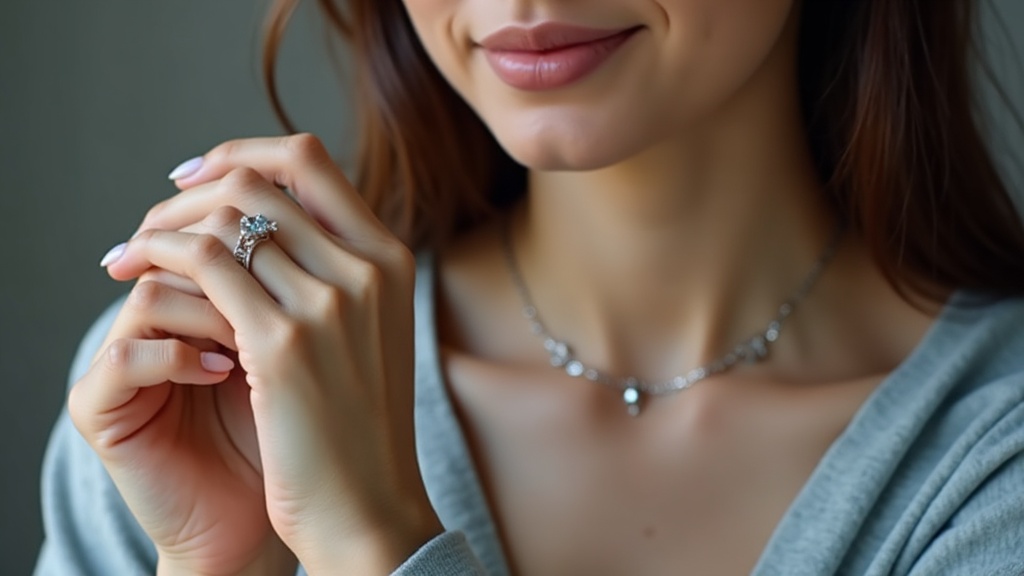
Layering techniques have also evolved, becoming more intentional and varied. Instead of wearing a single statement piece, fashion enthusiasts are combining multiple delicate chains, stacking rings, and mixing different metal tones. This approach allows for a highly customizable look that transitions seamlessly from casual daytime wear to evening events. The jewelrycurrent guide emphasizes that mastering this layered aesthetic requires balancing proportions and textures to avoid a cluttered appearance.
Retailers are responding by offering modular designs and customizable charm collections. Shoppers can now build their own unique combinations, adding new elements to mark life milestones or simply to refresh their daily look. This interactive shopping experience fosters a deeper connection between the wearer and their accessories.
Sustainable and Lab-Grown Innovations
Environmental consciousness is fundamentally reshaping the accessories market, with sustainable metals and ethical sourcing taking center stage. Modern buyers, particularly younger demographics, are highly prioritizing the ecological footprint of their purchases. This has accelerated the adoption of recycled precious metals and transparent supply chains across the industry.
Lab-grown diamonds have emerged as a major disruptor in this space. These stones offer the exact same physical and chemical properties as mined diamonds but are created in controlled environments, significantly reducing environmental degradation. In fact, lab-grown diamonds accounted for an estimated 18 percent of the global diamond jewelry market by value in 2025 (Bain & Company, 2025)[6]. This rapid market penetration highlights a massive shift in consumer acceptance and preference for eco-friendly alternatives.
The push for sustainability extends beyond gemstones to the metals used in settings and bands. Fine jewelry made from recycled precious metals represented roughly 15 percent of new product launches among leading global brands in 2025 (World Gold Council, 2025)[7]. Brands are increasingly highlighting their use of reclaimed gold and silver, appealing to eco-conscious shoppers who want luxury without the environmental guilt.
Gen Z consumers are leading this charge, demonstrating a strong willingness to invest in ethical products. This demographic’s purchasing power is forcing legacy brands to adapt their manufacturing processes and marketing strategies to emphasize transparency, fair labor practices, and minimal ecological impact. Following the latest jewelrycurrent guide ensures buyers can identify genuinely sustainable brands.
Vintage Heirlooms and Refined Beaded Designs
The appreciation for history and craftsmanship has sparked a major revival in vintage and inherited styles. Shoppers are increasingly drawn to the unique character and enduring quality of antique pieces, viewing them as both fashion statements and tangible connections to the past. This trend is heavily influencing contemporary design, with modern jewelers incorporating retro elements into their new collections.
Secondhand and vintage jewelry accounted for about 12 percent of the global jewelry and watches market in 2025 (Boston Consulting Group, 2025)[8]. This robust secondary market demonstrates that consumers value the longevity and timeless appeal of older designs. Many buyers are also choosing to repurpose family heirlooms, updating inherited pieces to suit modern tastes while preserving their sentimental value.
Industry experts confirm this shift toward nostalgic aesthetics. Cierra Podsednik, a jeweler and cofounder of C&E Fine Jewelry, explained, “Vintage and inherited styles are in – we’re reworking a lot of family heirlooms, from lockets and charm necklaces to chunky pearls” (Business Insider, 2026)[9]. Chunky pearls, in particular, have seen a massive resurgence, moving away from delicate, traditional strands to bold, oversized silhouettes that make a striking visual impact.
Simultaneously, beaded jewelry is making a sophisticated comeback. Moving away from the simple plastic beads of the past, contemporary designs feature high-quality, raw-cut gemstones. This refined approach to beaded bracelets offers a bohemian yet elegant vibe, perfectly complementing the current trend of relaxed, natural styling outlined in any thorough jewelrycurrent guide.
Navigating E-Commerce and Social Media Trends
The digital landscape has completely transformed how consumers discover, evaluate, and purchase accessories. Online platforms are no longer just transactional spaces; they are vital hubs for inspiration, education, and community building. This digital shift has forced retailers to optimize their online presence and create seamless, engaging shopping experiences.
Social media platforms play a crucial role in shaping consumer desires. Roughly 35 percent of global jewelry consumers say social media is their primary source of inspiration for jewelry purchases (Deloitte, 2025)[10]. Influencers and stylists showcase layering techniques, directly driving trends and prompting immediate purchasing decisions through shoppable posts.
E-commerce sales continue to capture a larger share of the overall market. Global online jewelry sales are expected to represent 24.5 percent of total jewelry sales in 2026 (McKinsey & Company, 2025)[2]. To capitalize on this, brands are investing heavily in high-resolution imagery and virtual try-on tools. Average fine jewelry order values in U.S. e‑commerce increased by 9 percent year over year in Q1 2026 (Adobe Digital Economy Index, 2026)[11], indicating that buyers are comfortable making high-ticket purchases online.
For those exploring specific niches, finding the right digital resources is key. Whether you are looking for a comprehensive silver rings buying guide or exploring unique thematic collections, online platforms offer unparalleled variety. Additionally, specialized blogs provide excellent curated ideas, such as finding the perfect jewelry for pet lovers or navigating a detailed cat lover gift guide. These targeted resources help shoppers find highly specific, meaningful gifts that resonate on a personal level.
What People Are Asking
What are the most popular metal choices for everyday wear?
Mixed-metal stacks are currently dominating everyday fashion, allowing wearers to combine gold, silver, and rose gold in a single look. This trend moves away from strictly matching metals, embracing a more relaxed aesthetic. Sterling silver remains a staple for its durability, while recycled gold is highly sought after by eco-conscious buyers. The key to mastering this trend is balancing the proportions of the pieces so that the different tones complement rather than clash with one another.
Are lab-grown diamonds considered a good investment?
Lab-grown diamonds are highly valued for their ethical production and environmental benefits, but they are generally not considered financial investments in the traditional sense. Because they can be produced in unlimited quantities, their resale value tends to depreciate faster than natural, mined diamonds. However, they offer exceptional value for consumers seeking larger, high-quality stones at a fraction of the cost. For most buyers, the true value lies in the beauty, durability, and guilt-free origin of the stone.
How can I incorporate vintage pieces into a modern wardrobe?
Incorporating vintage heirlooms into modern outfits is all about contrast and juxtaposition. Pairing a delicate, antique locket with a crisp, contemporary button-down shirt creates a striking visual balance. Chunky pearls and retro charm necklaces can be layered with minimalist, modern chains to prevent the look from feeling like a costume. Many jewelers also offer reworking services, allowing you to reset inherited gemstones into sleek, modern bands or pendants. This approach preserves the sentimental history of the piece while ensuring it aligns perfectly with your current personal style.
What should I look for when buying personalized jewelry online?
When purchasing custom engravings or name necklaces online, always check the retailer’s return policy, as personalized items are often non-refundable. Pay close attention to the font options, character limits, and the exact placement of the engraving. Look for high-resolution photos or virtual preview tools that show exactly how the final piece will look. Additionally, verify the metal quality and read customer reviews specifically mentioning the durability of the custom work to ensure your meaningful keepsake arrives exactly as envisioned.
Comparing Modern Jewelry Approaches
Choosing the right aesthetic depends heavily on personal lifestyle, budget, and stylistic preferences. While some buyers prioritize ethical sourcing and modern technology, others are drawn to the historical charm and unique imperfections of older designs. Understanding the distinct advantages of each approach highlighted in the jewelrycurrent guide helps consumers align their purchases with their core values.
| Feature | Personalized & Lab-Grown | Vintage & Heirloom |
|---|---|---|
| Primary Appeal | Custom engravings and ethical sourcing | Historical significance and unique craftsmanship |
| Material Focus | Lab-grown diamonds and recycled precious metals | Antique gold, chunky pearls, and raw-cut gemstones |
| Style Vibe | Modern, sleek, and highly individualized | Nostalgic, textured, and naturally layered |
| Market Trend | Rapid e-commerce growth and tech integration | Strong secondary market and reworking services |
Practical Tips
Navigating the modern accessories market requires a blend of stylistic awareness and smart shopping habits. To get the most out of your purchases, consider these actionable strategies for building a versatile collection.
- Start with a base layer: When experimenting with mixed-metal stacks, begin with a simple, medium-length chain or a classic silver ring. Build outward by adding varying lengths and textures to create depth without overwhelming your outfit.
- Verify sustainability claims: Look for certifications from recognized bodies when buying recycled precious metals or lab-grown diamonds. Transparent brands will readily provide details about their supply chain and environmental impact.
- Care for raw gemstones: Refined beaded designs featuring raw-cut sapphires or turquoise require gentle maintenance. Avoid harsh chemical cleaners; instead, use a soft, damp cloth to preserve the natural texture and color of the stones.
- Document your heirlooms: If you are collecting or reworking vintage pieces, keep a detailed record of their origins and any modifications made. This provenance adds immense sentimental value for future generations.
The Bottom Line
The accessories landscape is more dynamic and personalized than ever before. By embracing mixed metals, sustainable innovations, and the timeless charm of vintage designs, you can curate a collection that truly reflects your individual story. The insights provided in this jewelrycurrent guide highlight that modern luxury is defined by meaning, ethical choices, and creative self-expression. Whether you are investing in lab-grown diamonds or reworking a family heirloom, the focus remains on pieces that resonate on a deeper level. Explore more styling inspiration and curated collections on freshwaterpearlnecklace.com to continue elevating your personal aesthetic.
Sources & Citations
- Revenue of the jewelry market worldwide from 2020 to 2028. Statista.
https://www.statista.com/forecasts/1186190/revenue-jewelry-worldwide - State of Fashion: Jewelry 2025. McKinsey & Company.
https://www.mckinsey.com/industries/retail/our-insights/state-of-fashion-jewelry-2025 - Consumer Survey: Personalized Jewelry Demand 2025. National Jeweler / Jewelers of America.
https://nationaljeweler.com/articles/13756-consumer-survey-personalized-jewelry-demand-2025 - Diamond Insight Report 2025. De Beers Group.
https://www.debeersgroup.com/reports/diamond-insight-report-2025 - Signet Jewelers Q4 2025 Earnings Call Transcript. The Motley Fool.
https://www.fool.com/earnings/call-transcripts/2026/02/12/signet-jewelers-limited-sig-q4-2025-earnings-call/ - Global Diamond Industry Report 2025. Bain & Company.
https://www.bain.com/insights/global-diamond-industry-report-2025/ - Gold Demand Trends 2025. World Gold Council.
https://www.gold.org/goldhub/research/gold-demand-trends-2025 - What’s Next for the Global Preloved Jewelry and Watch Market. Boston Consulting Group.
https://www.bcg.com/publications/2025/whats-next-for-the-global-preloved-jewelry-and-watch-market - 5 jewelry trends that are in this summer and 3 that are out. Business Insider.
https://www.businessinsider.com/best-and-worst-jewelry-right-now-summer-trends-jewelers-stylists-2026-5 - Global Powers of Luxury Goods 2025. Deloitte.
https://www2.deloitte.com/global/en/pages/consumer-business/articles/global-powers-of-luxury-goods-2025.html - Adobe Digital Economy Index: Jewelry Q1 2026. Adobe.
https://business.adobe.com/resources/adobe-digital-economy-index-jewelry-q1-2026