The Ultimate dragonyurts guide for Outdoor Living
Discover the ultimate dragonyurts guide for your next outdoor adventure. Learn about assembly, eco-friendly materials, and off-grid living in circular shelters.
Table of Contents
- Understanding the Structure and Materials
- Step-by-Step Assembly Process
- Optimizing Interior Design and Ventilation
- Maintaining Your Eco-Friendly Shelter
- Your Most Common Questions
- Comparing Different Shelter Approaches
- Practical Tips for Off-Grid Living
- The Bottom Line
- Further Reading
Key Takeaway
This dragonyurts guide is a comprehensive resource detailing the assembly, maintenance, and lifestyle benefits of circular canvas dwellings. It covers structural integrity, weather-resistant fabric selection, and sustainable off-grid living practices for nature enthusiasts seeking portable housing solutions.
Introduction to Circular Living
Finding the perfect dragonyurts guide can transform your approach to wilderness camping and sustainable architecture. These unique structures offer a blend of ancient nomadic engineering and modern material science, creating spaces that are both highly functional and deeply connected to nature. Unlike rigid rectangular buildings, a circular dwelling distributes wind loads evenly and maximizes usable floor space without internal support columns.
The rise of glamping and eco-tourism has pushed these structures into the mainstream. People are no longer looking for simple weekend tents; they want robust, semi-permanent homes that can withstand harsh weather while providing genuine comfort. Whether you are planning a remote nature retreat or simply want to upgrade your backyard guest space, understanding the core mechanics of these shelters is essential. This article breaks down the materials, assembly, and daily living considerations you need to know before investing in your own portable housing.
Understanding the Structure and Materials
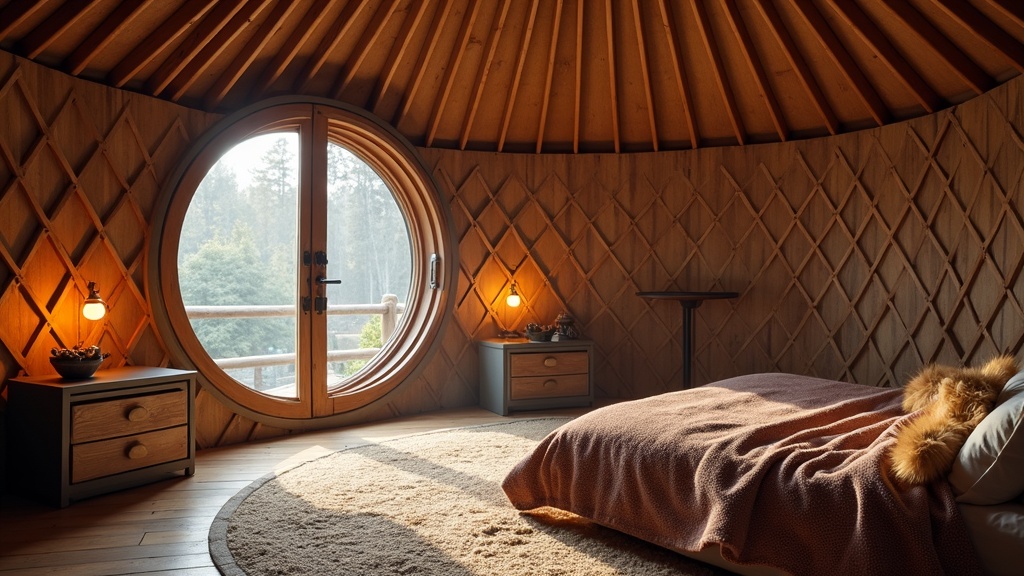
The foundation of any reliable circular shelter relies on a flexible wooden lattice wall. This expanding trellis system forms the vertical perimeter and allows the structure to be collapsed into a compact bundle for transport. The lattice is typically constructed from lightweight but strong timber, such as birch or willow, which bends slightly under pressure without snapping. This flexibility is crucial for absorbing high winds and minor ground shifts.
Supporting the roof is a complex timber frame consisting of radial poles that converge at a central wooden crown. This crown acts as both the primary structural hub and a natural skylight. The angle of the roof poles dictates the overall height and interior volume of the space. A steeper pitch sheds snow more effectively, while a shallower pitch reduces the overall profile against strong gusts. Selecting the right geometry depends entirely on your local climate and intended use.
The outer skin of the structure is where modern engineering truly shines. Traditional animal hides have been replaced by advanced weather-resistant fabric, often a poly-cotton blend treated with UV inhibitors and waterproofing agents. This canvas tent material breathes naturally, preventing the severe condensation buildup that plagues fully synthetic plastics. When consulting a detailed dragonyurts guide, you will notice that the quality of this outer fabric directly dictates the lifespan and thermal efficiency of the entire shelter. For those who plan to bring pets along on their outdoor adventures, ensuring the interior is comfortable is a priority, which is why many owners also review our cat lover gift guide to find travel-friendly bedding and accessories that complement the canvas environment.
Step-by-Step Assembly Process
Executing a proper assembly process requires methodical attention to detail and a clear understanding of load distribution. The first step always involves preparing a level, well-drained base. Whether you are building on a raised wooden deck or directly on the earth, the foundation must be perfectly circular and flat. Any deviation at the base will compound as the walls rise, eventually preventing the door frame from closing correctly.
Once the base is set, the lattice wall is expanded and secured into a continuous circle. A heavy-duty tension band is then wrapped tightly around the perimeter. This band is the most critical component for maintaining structural integrity, as it counteracts the outward thrust generated by the heavy roof poles. Without a properly tensioned band, the roof weight will force the walls to bow outward and collapse. A comprehensive dragonyurts guide will always emphasize checking the tension band for wear before every major setup.
After the walls are secured, the roof poles are slotted into the central crown and tied to the top of the lattice. The inner liner and insulation layers are then draped over the frame, followed by the heavy outer canvas. This layered approach traps dead air, providing exceptional thermal regulation for true off-grid living. When setting up in public lands or sensitive ecosystems, it is vital to follow Leave No Trace principles for outdoor recreation to ensure the surrounding environment remains undisturbed by your footprint.
Optimizing Interior Design and Ventilation
Designing the interior of a circular space requires abandoning traditional rectangular furniture layouts. The curved walls naturally draw the eye toward the center, making a central hearth or focal table the logical anchor for the room. Furniture should be low-profile and placed against the perimeter to keep the central walking area open. This approach to interior design not only maximizes the feeling of spaciousness but also respects the structural flow of the building.
Natural light is managed primarily through the central crown and strategically placed door flaps. The crown can be fitted with a clear acrylic dome to allow sunlight to pour in while keeping rain and snow out. This overhead illumination eliminates dark corners and creates a bright, inviting atmosphere throughout the day. For evening hours, warm-toned LED string lights draped along the roof poles enhance the cozy aesthetic without generating excess heat that could damage the canvas.
Proper airflow is non-negotiable in a highly insulated canvas structure. Ventilation systems usually consist of the adjustable crown cover and lower wall flaps that can be rolled up to create a cross-breeze. This passive cooling method prevents the space from becoming a greenhouse during hot summer months. The nomadic lifestyle thrives on this adaptability, allowing residents to adjust their environment as the weather shifts. Many owners enjoy sharing photos of their pets relaxing inside, and capturing pictures of cats cute and cozy in these circular spaces has become a popular trend among glamping enthusiasts who appreciate the serene, well-lit environment.
Maintaining Your Eco-Friendly Shelter
Longevity in an eco-friendly shelter depends entirely on a proactive maintenance schedule. Canvas is a natural material that requires breathing room and protection from prolonged moisture. If the outer cover becomes wet, it must be allowed to dry completely before being folded and stored. Packing away damp canvas guarantees the rapid growth of mildew, which will permanently stain the fabric and degrade its waterproof coating within a single season.
The wooden lattice and roof poles also demand regular inspection. Timber frames should be treated annually with a natural linseed oil or a specialized wood preservative to prevent drying and cracking. Pay close attention to the joints where the roof poles meet the crown, as this area experiences the highest concentration of friction and stress. Following the specific instructions in your dragonyurts guide will ensure you use the correct treatment products that will not react negatively with the canvas.
UV degradation is the silent killer of outdoor fabrics. Even the most advanced weather-resistant fabric will eventually succumb to constant sun exposure. Rotating the outer cover slightly each year can help distribute the UV wear more evenly across the surface. For those engaging in long-term wilderness camping, investing in a high-quality shade sail or positioning the structure under the partial canopy of deciduous trees can extend the life of the canvas by several years. Regular cleaning with a soft brush and mild soap will remove abrasive dirt and pollen, keeping the fibers intact and functional.
Your Most Common Questions
How long does it take to set up a circular canvas dwelling?
A typical setup takes between two and four hours for a team of two people. The initial assembly requires more time as you learn the specific tension points and pole placements. Once you are familiar with the dragonyurts guide and have established a rhythm, the lattice expansion and roof pole insertion can be completed in under an hour. The majority of the time is spent carefully adjusting the outer canvas covers, securing the tension bands, and ensuring the door frame is perfectly plumb. Having a dedicated, organized toolkit and labeling your poles will significantly reduce your overall assembly time.
Are these structures suitable for winter off-grid living?
Yes, they are highly effective in winter when properly equipped. The key to cold-weather survival is the addition of thick felt insulation layers between the inner liner and the outer canvas. Felt traps air exceptionally well, creating a thermal barrier that retains heat from a central wood stove. You must also install a high-temperature flue jack in the canvas to safely vent the stove exhaust. With a properly sized stove and adequate insulation, the interior can remain comfortably warm even when exterior temperatures drop well below freezing, making them a viable option for year-round habitation.
What maintenance is required for the wooden lattice frame?
The wooden lattice requires annual inspections and occasional conditioning. You should check the leather or synthetic ties at every intersection for signs of fraying or rot, replacing them immediately if they show weakness. The wood itself should be wiped down to remove dust and treated with a breathable wood oil to prevent it from becoming brittle. If the structure is left erected year-round, ensure the base of the lattice does not sit in standing water or direct contact with damp soil, as this will cause the bottom joints to rot prematurely.
Can I install a wood stove inside a portable canvas tent?
You can install a wood stove, but it requires specific safety modifications. You must use a certified flue jack, which is a specialized panel featuring a heat-resistant silicone or fiberglass ring that seals tightly around the stovepipe. This prevents the hot metal from touching and igniting the canvas. Additionally, a heat shield must be placed behind and beneath the stove to protect the interior liner and the floor from radiant heat and stray embers. Always follow the principles in your dragonyurts guide regarding fire safety and keep a fire extinguisher accessible near the door.
Comparing Different Shelter Approaches
Choosing the right temporary or semi-permanent shelter depends heavily on your budget, climate, and intended duration of stay. While canvas structures offer unique benefits, they are not the only option for remote living. Understanding the trade-offs between different designs helps you make an informed investment that aligns with your specific outdoor goals.
| Shelter Type | Setup Time | Weather Resistance | Thermal Efficiency |
|---|---|---|---|
| Canvas Yurts | 2-4 Hours | High (with proper tension) | Excellent (with felt layers) |
| Traditional Bell Tents | 30-45 Minutes | Moderate (vulnerable to high wind) | Poor (single layer canvas) |
| Prefab Cabin Kits | Several Days | Very High (rigid walls) | Good (depends on insulation) |
| Geodesic Domes | 1-2 Hours | High (aerodynamic shape) | Moderate (hard to insulate) |
Practical Tips for Off-Grid Living
Transitioning to a life in a circular canvas structure requires adapting your daily habits to match the rhythms of your environment. Success in this lifestyle relies on proactive management of moisture, temperature, and spatial organization. Implementing a few core routines will drastically improve your comfort and extend the life of your equipment.
- Manage Interior Humidity: Always crack the lower wall flaps slightly, even in cold weather, to allow moist air from breathing and cooking to escape. Trapped humidity will quickly condense on the cold inner liner and cause dampness.
- Rotate Your Floor Coverings: Rugs and carpets trap moisture against the wooden floorboards. Lift and air out your floor coverings weekly to prevent mold growth and allow the timber base to breathe properly.
- Secure the Crown Cover: Ensure the central crown flap is securely tied down before leaving the site unattended. A sudden gust of wind can catch an unsecured flap, acting like a sail and placing immense stress on the roof poles.
The Bottom Line
Embracing this unique style of living offers a profound connection to the natural world without sacrificing modern comforts. By understanding the structural mechanics, committing to regular maintenance, and optimizing your interior layout, you can create a resilient and beautiful home anywhere. We hope this dragonyurts guide has provided the foundational knowledge you need to start your journey. Explore more outdoor living insights and unique lifestyle tips right here on freshwaterpearlnecklace.com.
Further Reading
- Leave No Trace Principles. National Park Service.
https://www.nps.gov/articles/leave-no-trace.htm
For more about Dragonyurts guide, see Dragonyurts Guide.