
Creepinghemlock Guide: Effective Weed Management Tactics
Discover our comprehensive creepinghemlock guide for effective weed management. Learn identification, eradication techniques, and long-term control strategies to protect your landscape.
Table of Contents
- Identifying Noxious Weeds
- Manual Extraction and Mechanical Control
- Chemical Applications and Herbicide Treatment
- Long-Term Vegetation Management
- What People Are Asking
- Comparing Eradication Approaches
- Practical Tips for Landowners
- Key Takeaways
Key Takeaway
This creepinghemlock guide is a comprehensive resource for managing toxic weed infestations. This overview covers identification, manual extraction, chemical applications, and long-term vegetation strategies to protect landscapes and livestock from dangerous noxious plants.
Quick Stats: Creepinghemlock Guide
- Repeated mowing requires 3-5 years to fully exhaust the seed bank (U.S. Forest Service, 2024)[1].
- Herbicide applications are most effective when plants are in the rosette growth stage (U.S. Forest Service, 2024)[1].
- Treated plants need 14 days before cutting to allow chemical translocation (King County, 2026)[3].
The insights in this creepinghemlock guide are vital for landowners dealing with toxic weed invasions. Managing noxious weeds requires a solid understanding of plant biology and targeted eradication techniques. Whether you are maintaining a small garden or overseeing acres of pasture, knowing how to identify and eliminate these dangerous plants is crucial for safety and ecological balance. This article explores the core principles of vegetation management, detailing manual extraction, chemical applications, and ongoing maintenance. By following a structured approach, property owners can successfully reclaim their land. We will also examine integrated pest management principles to ensure long-term success. For those looking to protect their outdoor spaces, integrating safe practices and wearing protective gear is just as important as identifying the plants. Furthermore, understanding the lifecycle of these toxic plants helps in planning seasonal interventions. A solid creepinghemlock guide is essential for anyone tackling Conium maculatum on their property.
Identifying Noxious Weeds for Your Creepinghemlock Guide
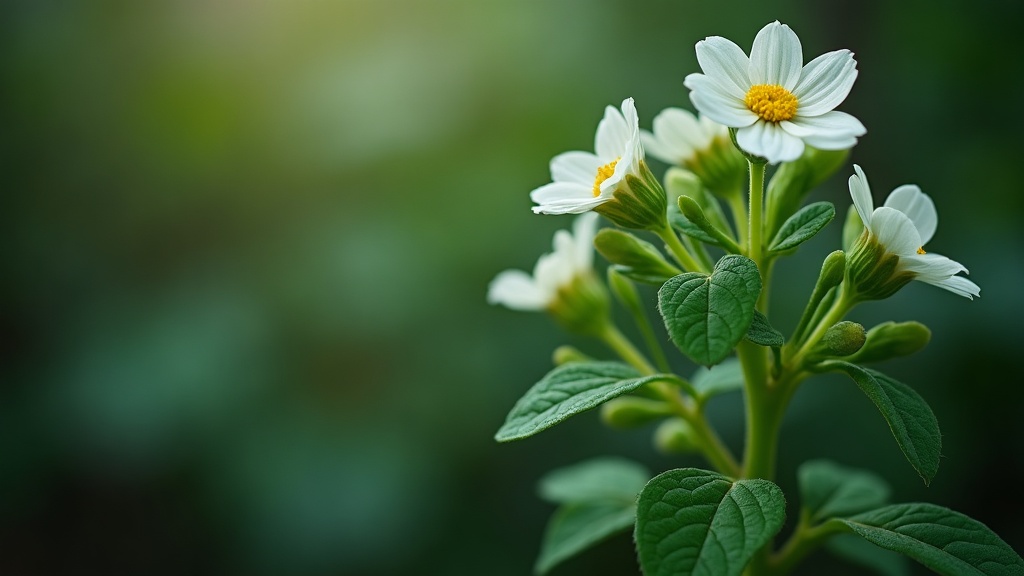
Accurate identification is the foundational step in any successful weed control program. Before initiating any eradication efforts, landowners must correctly distinguish the target species from harmless native flora. The plant typically features finely divided, fern-like leaves and hollow stems marked with distinct purple spots. A crushed leaf often emits a disagreeable, musty odor, which serves as a secondary identification marker. When building your creepinghemlock guide, early detection remains the most critical factor. As the U.S. Forest Service emphasizes, land managers must “Detect, map, and eradicate new populations of poison hemlock as early as possible” (U.S. Forest Service, 2024)[1]. Catching the weed during its initial growth phases prevents it from establishing a deep taproot and producing thousands of seeds. A comprehensive guide to creeping hemlock will always prioritize scouting routines during the early spring. Identifying the rosette stage close to the ground allows for more effective intervention before the plant begins bolting upward. Proper identification also ensures that beneficial insects and native vegetation are not accidentally destroyed during the removal process. Scouting routines should be conducted systematically across the property, paying special attention to fence lines, ditches, and disturbed soil areas where seeds often accumulate.
Manual Extraction and Mechanical Control Methods
Physical removal offers a highly effective, chemical-free approach for managing localized plant outbreaks. This method is particularly useful near water sources or in sensitive ecological areas where chemical runoff poses a risk. According to university specialists, “Hand removal is recommended for small infestations. When pulling the plants, the entire taproot should be removed to prevent regrowth” (UC Statewide IPM Program, 2026)[2]. Leaving even a small fragment of the root in the soil can result in rapid regeneration. Property owners must exercise patience, as manual weeding demands precision, care, and the right tools to ensure complete removal. Mechanical control, such as mowing and tillage, provides an alternative for larger areas. Repeated mowing can reduce seed production, though it may take 3-5 years to fully exhaust the seed bank (U.S. Forest Service, 2024)[1]. Similarly, a recommended tillage interval of 3 weeks during the growing season disrupts the root systems of newly emerged seedlings (U.S. Forest Service, 2024)[1]. These mechanical strategies form a crucial component of any creepinghemlock guide. When disposing of the extracted plants, they should be bagged and sent to a landfill or burned if local regulations permit, rather than composted, to ensure no seeds survive the decomposition process.
Chemical Applications and Herbicide Treatment
Chemical interventions provide a scalable solution for large-scale infestations where manual labor is impractical. When utilizing herbicide treatment, timing and application rates are paramount for success. The U.S. Forest Service guidance specifies herbicide rates of 1-2 lb ai/acre for spring treatment of newly emerged seedlings in open areas away from water (U.S. Forest Service, 2024)[1]. Applying chemicals when the weed is in the rosette growth stage yields the best herbicide effectiveness, as the plant actively transports nutrients – and the chemical – down into the root system (U.S. Forest Service, 2024)[1]. Patience is required after application. County noxious weed programs advise users to “Wait at least 14 days before cutting any treated plants, to give the herbicide time to work” (King County Noxious Weed Control Program, 2026)[3]. Premature cutting prevents the chemical from reaching the taproot, leading to treatment failure. For those seeking broader context, reviewing integrated pest management strategies for toxic weeds can provide additional safety protocols and environmental considerations. Following chemical application, a follow-up management step like reseeding is highly recommended to increase competition against remaining weed seeds (U.S. Forest Service, 2024)[1]. This ensures the creepinghemlock guide methods you follow yield lasting results. Always read the product label carefully and adhere to all local environmental regulations regarding chemical application near wetlands or residential zones.
Long-Term Vegetation Management and Grazing Control
Sustained ecological balance requires ongoing monitoring and strategic land use practices to prevent weed resurgence. Once the initial eradication is complete, the focus must shift to preventing re-establishment. Grazing control measures are essential to protect animals from exposure, particularly in early spring when green forage is limited and the toxic plants are among the first to emerge (U.S. Forest Service, 2024)[1]. Livestock poisoning is a severe risk, making pasture management a critical aspect of overall weed control. If mechanical clipping is necessary, plants should be clipped close to the ground in the spring, after bolting, but before seed set, and repeated again in late summer to prevent reproduction (U.S. Forest Service, 2024)[1]. Monitoring the area for several consecutive seasons ensures that any late-germinating seeds are caught before they mature. Implementing a robust vegetation management plan that includes competitive planting and soil health improvement will naturally suppress future outbreaks. By integrating these long-term practices, landowners can ensure their creepinghemlock guide strategies remain effective year after year, ultimately restoring the health and safety of their property. Maintaining detailed records of your interventions, including dates, methods used, and weather conditions, will help you refine your approach in subsequent seasons.
What People Are Asking
How long does it take to eradicate a severe infestation?
What is the best time of year to pull these weeds by hand?
Can livestock safely graze in areas treated with herbicides?
Why is the rosette stage critical for chemical treatment?
Comparing Eradication Approaches
Selecting the right eradication method depends heavily on the size of the infestation, the surrounding environment, and available resources. Each approach offers distinct advantages and limitations that must be weighed carefully. Below is a comparison of the primary methods discussed in this creepinghemlock guide.
| Method | Best For | Key Limitation |
|---|---|---|
| Manual Extraction | Small, localized infestations near water | Labor-intensive and time-consuming |
| Mechanical Mowing | Large pastures and open fields | Requires 3-5 years to exhaust seed bank |
| Herbicide Treatment | Widespread outbreaks and severe infestations | Requires strict adherence to safety and timing protocols |
Practical Tips for Landowners
Implementing a successful weed control strategy requires attention to detail and consistent effort. Here are several actionable tips to enhance your management routine:
- Always wear protective gloves and long sleeves when handling toxic plants to prevent skin irritation and accidental exposure.
- Map the boundaries of the infestation using GPS or physical markers to track the effectiveness of your eradication efforts over time.
- Clean all machinery, mowers, and tools thoroughly after use to prevent the accidental transport of seeds to uninfested areas.
- Plant competitive native grasses and legumes immediately after removing the weeds to occupy the soil space and suppress future germination.
Staying informed about local agricultural extensions and noxious weed programs can also provide valuable support and resources for your specific region.
Key Takeaways
Managing toxic weeds is a demanding but necessary task for preserving land health and safety. By utilizing the strategies outlined in this creepinghemlock guide, property owners can effectively identify, extract, and prevent the resurgence of dangerous plants. Whether you opt for manual extraction, mechanical mowing, or chemical applications, consistency and proper timing are your greatest assets. For more insights on land management and outdoor safety, explore additional resources from your local agricultural extension office.
Sources & Citations
- Field Guide for Managing Poison Hemlock in the Southwest. U.S. Forest Service.
https://www.fs.usda.gov/media/17413 - Poison Hemlock / Home and Landscape / UC Statewide IPM. UC Statewide IPM Program.
https://ipm.ucanr.edu/home-and-landscape/poison-hemlock/ - Poison hemlock identification and control. King County Noxious Weed Control Program.
https://kingcounty.gov/en/dept/dnrp/nature-recreation/environment-ecology-conservation/noxious-weeds/identification-control/poison-hemlock
For more about Article creation guide, see Article Creation Guide.