
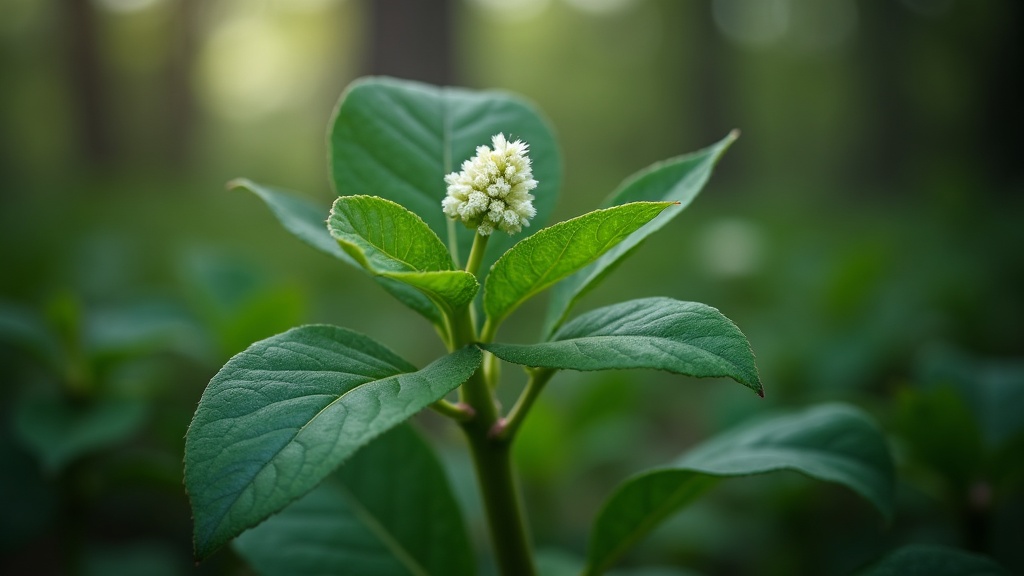
creepinghemlock guide for Toxic Weed Control
Discover the ultimate creepinghemlock guide for identifying and managing toxic invasive weeds. Learn safe removal methods, herbicide tips, and ecological control strategies today.
Table of Contents
- Identifying Toxic Species
- Mechanical Removal and Habitat Maintenance
- Strategic Herbicide Application
- Restoring Ecosystems After Eradication
- Your Most Common Questions
- Comparing Eradication Approaches
- Practical Tips for Landowners
- Final Thoughts
Key Takeaway
The creepinghemlock guide is a comprehensive protocol for identifying, managing, and eradicating toxic hemlock species in terrestrial and riparian zones. This resource outlines mechanical removal, chemical treatments, and ecological restoration strategies to protect livestock and maintain healthy plant communities safely.
The creepinghemlock guide in Context
- Water hemlock has caused over 60 recorded deaths since 1979, highlighting the severe danger of closely related species (GrowIt BuildIT, 2023)[1].
- Depleting the seed bank typically requires 3-5 years of repeated mowing to achieve meaningful population reduction (USDA Forest Service, 2024)[2].
- Effective tillage control demands disturbing the soil to a depth of at least 4 inches at regular intervals (USDA Forest Service, 2024)[2].
- Exactly 100 percent of poison hemlock plant parts are considered toxic to people and livestock (University of California Statewide IPM Program, 2024)[3].
Introduction to Invasive Weed Management
The creepinghemlock guide provides essential strategies for landowners tackling dangerous invasive plants. While our readers frequently explore our cat lover gift guide or browse handmade feline jewelry ideas, outdoor property maintenance is equally vital for those with rural estates. Toxic weeds like poison hemlock and water hemlock pose severe risks to humans, pets, and agricultural animals. Because these aggressive species spread rapidly along waterways and disturbed soils, early detection and plant removal are critical for preventing establishment. This article explores botanical identification, mechanical eradication, and chemical control methods. By following a structured approach, you can restore ecological balance and protect your land. We will cover the most effective treatment sequences, safety precautions, and long-term vegetation control techniques to ensure your property remains safe and thriving.
Identifying Toxic Species with a creepinghemlock guide
Accurate botanical identification is the first and most critical step in any weed management program. Misidentifying a hazardous plant can lead to severe health consequences, making a reliable guide to creeping hemlock and related species indispensable for landowners. Poison hemlock (Conium maculatum) and water hemlock (Cicuta maculata) are frequently confused with benign wildflowers, yet they harbor deadly alkaloids. According to the University of California Statewide IPM Program, “Poison hemlock is toxic to people and livestock” (2024)[3]. Furthermore, 100 percent of the plant parts are considered toxic, meaning no portion of the vegetation is safe for consumption (University of California Statewide IPM Program, 2024)[3].
Plant toxicity varies slightly between species, but the risk to livestock safety remains universally high. Water hemlock, in particular, is notoriously lethal; it has been responsible for over 60 recorded deaths since 1979 in North America (GrowIt BuildIT, 2023)[1]. When utilizing a creepinghemlock guide for identification, look for distinctive features such as the purple blotches on the hollow stems of poison hemlock and the clustered, umbrella-like white flower heads characteristic of both species. Recognizing these toxic plants early in their growth cycle allows for targeted intervention before they produce seeds and spread across your property.
Mechanical Removal and Habitat Maintenance
Physical eradication techniques form the backbone of non-chemical vegetation control in sensitive environments. Mechanical removal is especially crucial near water sources where herbicide application might contaminate the local ecosystem. The USDA Forest Service notes that “Healthy plant communities should be maintained to limit poison hemlock infestations” (2024)[2]. Promoting robust native grasses and groundcovers naturally suppresses the germination of invasive weeds through competition for sunlight and nutrients.
When physical intervention is necessary, timing and consistency are paramount. Mowing alone is rarely a quick fix; repeated mowing for 3-5 years is typically necessary to deplete the seed bank and achieve meaningful population reduction (USDA Forest Service, 2024)[2]. For smaller outbreaks, a creepinghemlock guide on proper tillage can be highly effective. Effective tillage control requires disturbing the soil to a depth of at least 4 inches at approximately three-week intervals during the growing season to destroy the root systems (USDA Forest Service, 2024)[2]. Additionally, King County recommends that seedlings be removed by scraping them out with a hoe, emphasizing early-stage mechanical control before root systems are well established (2024)[4]. This proactive habitat maintenance ensures that weed eradication efforts remain sustainable over the long term.
Strategic Herbicide Application for Eradication
Chemical interventions are often required for extensive infestations where mechanical methods are impractical or insufficient. A comprehensive creepinghemlock guide will detail the precise timing and dosage needed for optimal noxious weed control. The King County Noxious Weed Control Program advises that “Chemical control is most effective if done before poison hemlock begins to flower, in early to late spring and again in the fall” (2024)[4]. Targeting the plants during their active vegetative growth phase ensures the chemicals are absorbed and translocated effectively.
For broadleaf control, phenoxy herbicides such as 2,4-D, 2,4-DB, or MCPA are recommended at application rates of 1 to 2 pounds of active ingredient per acre in spring on newly emerged seedlings (USDA Forest Service, 2024)[2]. When dealing with riparian infestations near water, specialized aquatic formulations are mandatory. The Forest Service recommends two glyphosate applications about one month apart in early and mid-summer, followed by fall grass seeding to stabilize the soil (USDA Forest Service, 2024)[2]. Because these chemicals rely on systemic action, patience is required post-treatment. King County guidance recommends waiting at least 14 days after herbicide application before cutting plants, allowing the systemic herbicide to move throughout the plant and destroy the roots (2024)[4]. Landowners can also consult integrated pest management strategies for toxic weeds to ensure they are following the safest and most current weed management protocols.
Restoring Ecosystems After creepinghemlock guide Implementation
Successful weed eradication must be followed by proactive ecological restoration to prevent reinvasion. Simply killing the existing toxic plants leaves bare soil vulnerable to new weed seeds blowing in from neighboring properties. The USDA Forest Service assigns the highest priority ranking for small isolated sites, reflecting their greater potential for cost-effective eradication and immediate ecological recovery (2024)[2]. By focusing on these manageable pockets first, landowners can create secure buffer zones.
For larger, dense infestations, a strategic approach is necessary. In broadcast herbicide treatments, the Forest Service recommends focusing first on treating the perimeter of infestations before moving toward the center, improving containment efficiency (USDA Forest Service, 2024)[2]. This perimeter-first treatment sequence prevents the accidental spread of seeds into clean areas during the removal process. As the University of California Statewide IPM Program notes, “Once identified, remove individual plants by hand pulling, hoeing, or spot application of an herbicide but never burn plants” (2024)[3]. Burning is strictly prohibited because it can aerosolize toxic alkaloids, creating a severe inhalation hazard. Ultimately, as the USDA Forest Service emphasizes, “Prevention, early detection, and plant removal are critical for preventing poison hemlock establishment” (2024)[2]. Those looking to document and share their restoration progress can benefit from reviewing the detailed article creation guide for botanical management to effectively communicate their findings with the broader landowner community.
Your Most Common Questions
Is it safe to burn toxic hemlock plants after removal?
No, it is never safe to burn these plants. As the University of California Statewide IPM Program explicitly warns, “Once identified, remove individual plants by hand pulling, hoeing, or spot application of an herbicide but never burn plants” (2024)[3]. Burning toxic vegetation can release hazardous alkaloids into the smoke, posing severe respiratory risks to humans and animals in the vicinity. Always dispose of removed plant material in sealed black plastic bags and send them to a designated landfill, allowing them to decompose safely without spreading seeds or releasing toxins into the air.
How long does it take to completely eradicate a hemlock infestation?
Eradication is a multi-year commitment rather than a single-season fix. Because these invasive weeds produce thousands of seeds that can remain viable in the soil for several years, depleting the seed bank typically requires 3 to 5 years of repeated mowing or consistent herbicide applications (USDA Forest Service, 2024)[2]. Following a strict creepinghemlock guide schedule ensures that any newly germinated seedlings are destroyed before they reach maturity and produce their own seeds, gradually breaking the reproductive cycle and clearing the land.
What is the best time of year to apply herbicides?
Timing is critical for chemical efficacy. The King County Noxious Weed Control Program states that “Chemical control is most effective if done before poison hemlock begins to flower, in early to late spring and again in the fall” (2024)[4]. Spring applications target the rapidly growing rosettes, while fall applications are highly effective against newly germinated seedlings that are actively storing nutrients in their roots for the winter. Applying herbicides after the plants have flowered is largely ineffective, as the plant’s energy is focused on seed production rather than root absorption.
Can livestock safely graze in areas treated for hemlock?
No, livestock must be strictly excluded from treated and infested areas. Because 100 percent of the plant parts are considered toxic to people and livestock (University of California Statewide IPM Program, 2024)[3], grazing poses a fatal risk. Furthermore, vegetation that has been recently treated with systemic herbicides may contain hazardous chemical residues. Animals should only be allowed back into the pasture after the toxic plants have completely died, decomposed, and been replaced by safe, established forage grasses, ensuring both plant toxicity and chemical risks are fully mitigated.
Comparing Eradication Approaches
Selecting the right methodology depends on the size of the infestation, the proximity to water sources, and the available budget. Each approach outlined in a standard creepinghemlock guide offers distinct advantages and limitations for landowners.
| Method | Best Use Case | Pros | Cons |
|---|---|---|---|
| Mechanical Removal | Small, isolated patches near water | No chemical runoff; safe for riparian zones | Labor-intensive; requires 3-5 years of repetition |
| Chemical Control | Large, dense terrestrial infestations | Highly effective; faster population reduction | Requires careful handling; restricted near water |
| Cultural Maintenance | Post-eradication prevention | Promotes native biodiversity; long-term defense | Does not eliminate existing mature toxic plants |
Practical Tips for Landowners
Implementing a successful weed management strategy requires attention to detail and strict safety protocols. Always wear heavy-duty gloves, long sleeves, and eye protection when handling toxic plants to prevent skin absorption or accidental eye contact. When working in dense infestations, consider using a respirator to avoid inhaling dust or plant particulates.
Regular monitoring is just as important as the initial removal. Walk your property monthly during the spring and early summer to spot new rosettes before they bolt into tall, flowering stalks. If you are managing a large rural estate, mapping the infestation zones using GPS or a simple property sketch can help you track your progress over the multi-year eradication timeline. While managing your land, you might also be looking for a cat lover gift guide for a friend, or exploring handmade feline jewelry ideas to celebrate your pets safely indoors. Balancing outdoor property maintenance with indoor comforts ensures a well-rounded and secure lifestyle for you and your animals.
Final Thoughts on the creepinghemlock guide
Managing toxic invasive species requires patience, precision, and a commitment to long-term ecological health. By following the protocols outlined in this creepinghemlock guide, landowners can effectively identify, treat, and eradicate dangerous plants while protecting their livestock and local waterways. Consistent monitoring and proactive habitat restoration are the keys to ensuring these toxic weeds do not return. For more insights on property management, rural living, and artisan crafts, continue to explore the diverse resources available on freshwaterpearlnecklace.com.
Sources & Citations
- Water Hemlock (Cicuta maculata). GrowIt BuildIT.
https://growitbuildit.com/water-hemlock-cicuta-maculata/ - Field Guide for Managing Poison Hemlock in the Southwest. USDA Forest Service, Southwestern Region.
https://www.fs.usda.gov/media/17413 - Poison Hemlock – Home and Landscape. University of California Statewide Integrated Pest Management Program.
https://ipm.ucanr.edu/home-and-landscape/poison-hemlock/ - Poison hemlock identification and control. King County Noxious Weed Control Program.
https://kingcounty.gov/en/dept/dnrp/nature-recreation/environment-ecology-conservation/noxious-weeds/identification-control/poison-hemlock