
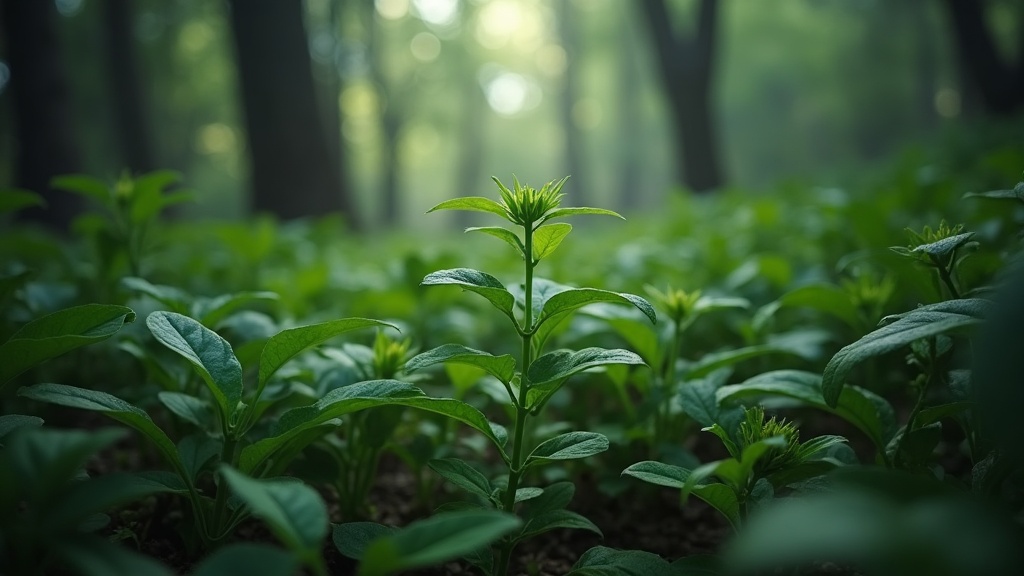
The Ultimate Creeping Hemlock Guide for Landscaping
Discover the ultimate creeping hemlock guide for planting, care, and maintenance. Learn to cultivate this shade-tolerant evergreen and avoid toxic look-alikes.
Table of Contents
- Site Selection and Planting Instructions
- Routine Care and Maintenance Manual
- Pest Management and Disease Prevention
- Identifying and Avoiding Toxic Look-Alikes
- Questions from Our Readers
- Groundcover Comparison
- Practical Tips for Success
- Final Thoughts
Article Snapshot
This creeping hemlock guide is a comprehensive resource for cultivating dwarf, prostrate hemlock varieties in shaded landscapes. Creeping hemlock is a low-growing, shade-tolerant coniferous groundcover used in woodland gardens. Proper care ensures dense foliage, while accurate identification prevents confusion with highly toxic herbaceous weeds.
Market Snapshot
- Water hemlock has caused 60 documented deaths since 1979, highlighting the danger of toxic look-alikes (GrowIt BuildIt, 2024)[1].
- Depleting the poison hemlock seed bank requires 3-5 years of repeated mowing (U.S. Forest Service, 2024)[2].
- Effective tillage-based control of poison hemlock requires a minimum depth of 4 inches (U.S. Forest Service, 2024)[2].
- Hand removal of poison hemlock demands 100 percent taproot removal to prevent regrowth (UC Statewide Integrated Pest Management Program, 2024)[3].
Introduction
This creeping hemlock guide provides essential insights for gardeners looking to integrate prostrate conifers into their outdoor spaces. Landscaping with evergreen shrubs offers year-round visual interest, especially in challenging shaded areas where other plants struggle. While focusing on creeping eastern hemlock varieties, understanding the broader family is crucial. Misidentification can lead to dangerous encounters with toxic herbaceous weeds sharing the common name. In the following sections, we will explore site selection, soil moisture requirements, and pruning techniques. We will also cover critical pest management strategies and detail how to distinguish your ornamental coniferous groundcover from hazardous look-alikes. By the end of this manual, you will have the knowledge needed to maintain a thriving, safe woodland garden.
Site Selection and Planting Instructions
Selecting the right location is the foundational step for establishing a healthy prostrate evergreen. As a highly shade-tolerant plant, this species thrives in cool, protected environments. According to outdoor educator Kirk Stache, “Eastern hemlock is one of the most shade-tolerant conifers you’ll find in eastern forests, which is why you often see it thriving in cool, moist ravines where many other evergreens struggle” (Black Owl Outdoors, 2024)[4]. When following your creeping hemlock planting instructions, prioritize areas with dappled sunlight or full shade.
Soil preparation is equally critical. These plants prefer well-draining, acidic soil rich in organic matter. Before transplanting, test the pH and amend the earth with peat moss or compost to achieve optimal conditions. Maintaining consistent soil moisture is vital, particularly during the first two growing seasons. Implementing drip irrigation helps deliver water directly to the root system without wetting the foliage, which reduces the risk of fungal diseases.
Creating the right microclimate protects the plant from harsh weather. Positioning your groundcover near structural garden borders provides a natural windbreak. Applying a thick layer of organic mulch around the base regulates soil temperature and retains moisture. However, keep the mulch a few inches away from the main stem to prevent rot. Minimizing transplanting shock is crucial; water the root ball thoroughly before moving it, and avoid planting during peak summer heat. By carefully evaluating your landscape design, you set the stage for robust needle retention and dense foliage.
Routine Care and Maintenance Manual
Consistent maintenance ensures your low-growing conifer remains vibrant and structurally sound throughout the seasons. A reliable creeping hemlock maintenance manual emphasizes the importance of strategic pruning techniques to maintain the desired shape and encourage branching. Unlike fast-growing deciduous plants, this evergreen shrub requires only light trimming. Prune in late winter or early spring before new growth emerges, removing only dead, damaged, or crossing branches. This approach preserves the natural, cascading form while improving air circulation through the foliage.
Nutritional needs are relatively modest, but an annual application of organic fertilizer in early spring can boost vigor. Use a slow-release, acid-forming fertilizer specifically designed for conifers. Avoid high-nitrogen synthetic feeds, which can cause weak, leggy growth that is susceptible to winter damage. Winter hardiness is a hallmark of this species, but extreme temperature fluctuations cause desiccation. Apply an anti-desiccant spray in late autumn to protect needles from freezing winds.
Weed competition is another factor to monitor. Keep the area around the root zone clear of aggressive weeds that might steal nutrients and water. Hand-pulling is the safest method, as hoeing too close can damage the shallow root system. If you are integrating this plant into a broader landscape design, ensure that neighboring plants do not overshadow it completely or drop heavy, smothering debris. Additionally, checking soil moisture during dry winter spells is vital. If the ground is unfrozen and lacks snow cover, deep watering prevents severe winter burn.
Pest Management and Disease Prevention
Proactive pest management is essential to protect coniferous groundcovers from devastating invasive insects. The most significant threat to these plants is the hemlock woolly adelgid, a tiny sap-sucking insect that can kill a mature tree in just a few years if left unchecked. When consulting a comprehensive creeping hemlock care guide, you will frequently see this pest highlighted as the primary concern. Dr. Angela Hewitt, a Forest Health Specialist, advises, “For homeowners, the single most important step in caring for hemlock is regular inspection of the undersides of twigs for white, woolly masses; catching hemlock woolly adelgid early makes treatment simpler and far more effective” (Save Hemlocks NC, 2024)[5].
Inspect your plants thoroughly in early spring and late fall. Look for the distinctive white, cottony ovisacs on the underside of the needles and at the base of the twigs. If you spot an infestation, horticultural oils or insecticidal soaps can be effective for small, localized outbreaks. For severe cases, systemic insecticides applied by a licensed professional may be necessary. You can find extensive, science-backed protocols for managing this pest through the U.S. Forest Service hemlock health initiatives.
Managing Secondary Pests and Fungi
Spider mites and scale insects occasionally cause needle discoloration. Maintaining adequate soil moisture makes the plant resilient to these secondary pests. Fungal diseases like root rot occur if soil remains waterlogged; ensure proper drainage and avoid evening overhead watering to minimize risks. Additionally, introducing beneficial insects, such as predatory beetles, has shown promise in biological control programs, offering an eco-friendly alternative to chemical treatments in larger woodland settings. By staying vigilant and addressing pest management promptly, you safeguard the long-term vitality of your landscape investment.
Identifying and Avoiding Toxic Look-Alikes
Accurate plant identification is a critical safety measure when working with species that share common names. While the creeping conifer is a safe, ornamental evergreen, the term “hemlock” is also applied to highly toxic herbaceous weeds, specifically poison hemlock and water hemlock. When following a creeping hemlock landscaping tutorial, it is vital to ensure you are purchasing the correct Tsuga species from a reputable nursery, rather than accidentally introducing a dangerous weed into your yard. Dr. Joe F. DiTomaso warns, “Poison hemlock can be deceptively attractive in spring, but every part of the plant is toxic; the safest management strategy is to control small patches early and prevent seed production entirely” (UC Statewide Integrated Pest Management Program, 2024)[3].
Poison hemlock features hollow, purple-spotted stems and fern-like leaves, bearing no resemblance to the conifer. Water hemlock is similarly dangerous and thrives in marshy areas. If you encounter these weeds, wear protective gear and extract the entire taproot. Never compost or burn them, as smoke and sap cause severe reactions.
Creating a safe outdoor environment extends beyond plant selection. For those looking to enhance their outdoor spaces with unique, safe decor, exploring a cat lover gift guide can provide charming, non-toxic accessories for your garden patio. Additionally, incorporating handmade feline jewelry ideas into your personal style allows you to celebrate your love for nature and pets safely. By understanding the stark differences between the ornamental conifer and its toxic namesakes, you ensure your landscape design remains both beautiful and secure.
Questions from Our Readers
How fast does a creeping hemlock grow?
Can creeping hemlock tolerate full sun?
What is the difference between hemlock trees and poison hemlock?
How do I propagate creeping hemlock at home?
Groundcover Comparison
Comparing groundcover options helps determine the best fit for your site conditions. Each species offers unique benefits regarding maintenance, growth rate, and visual texture. When using a creeping hemlock guide to plan your yard, consider how these alternatives perform in similar environments.
| Plant Species | Light Requirement | Growth Rate | Maintenance Level |
|---|---|---|---|
| Creeping Hemlock | Full Shade to Part Sun | Slow | Low |
| Creeping Juniper | Full Sun | Moderate | Very Low |
| Japanese Spurge | Full Shade | Fast | Moderate |
Ultimately, the creeping hemlock stands out for its refined texture and exceptional performance in cool, deeply shaded environments where other evergreens fail.
Practical Tips for Success
Implementing a few professional best practices can significantly enhance the longevity and beauty of your coniferous groundcover. First, always use organic mulch, such as shredded bark or pine needles, which gradually breaks down to acidify the soil and feed the shallow root system. Avoid using landscape fabric beneath the mulch, as it can impede water penetration and restrict the plant’s natural ability to spread and root along its stems.
Follow a comprehensive creeping hemlock guide by paying attention to seasonal watering. Though drought-tolerant once established, it requires deep, infrequent watering during prolonged dry spells to maintain needle retention. Additionally, perform a thorough health inspection every spring. Look for signs of winter burn, adelgid activity, or fungal issues, and address them immediately. Finally, resist the urge to over-fertilize; these plants thrive in nutrient-poor, forest-like conditions, and excessive feeding can lead to weak, susceptible growth. By mimicking their natural woodland habitat, you ensure a thriving, resilient landscape feature.
Final Thoughts on the Creeping Hemlock Guide
Mastering the care of this beautiful evergreen shrub transforms shaded, difficult yard areas into lush, vibrant retreats. This creeping hemlock guide has covered everything from site selection and soil moisture management to critical pest identification and safety precautions regarding toxic look-alikes. By applying these cultivation techniques, you ensure your coniferous groundcover remains a stunning focal point for years to come. For more insights on creating beautiful, safe outdoor spaces and unique garden accents, explore the extensive resources and creative inspiration available at freshwaterpearlnecklace.com today.
Further Reading
- Water Hemlock (Cicuta maculata). GrowIt BuildIt.
https://growitbuildit.com/water-hemlock-cicuta-maculata/ - Field Guide for Managing Poison Hemlock in the Southwest. U.S. Forest Service.
https://www.fs.usda.gov/media/17413 - Poison Hemlock – UC Statewide Integrated Pest Management Program. UC IPM.
https://ipm.ucanr.edu/home-and-landscape/poison-hemlock/ - Eastern Hemlock [Plant ID Guide]. Black Owl Outdoors.
https://www.youtube.com/watch?v=8_4Gt5zMl-8 - How to Treat Hemlocks for Hemlock Woolly Adelgid. Save Hemlocks NC.
https://savehemlocksnc.org/treatment-video/
For more about Creepinghemlock guide, see Creepinghemlock Guide.