

The Ultimate Connectivityproducts Guide for Modern Systems
Explore our detailed connectivityproducts guide to master data center, medical, and automotive cabling. Learn how to select the perfect components right now.
Table of Contents
- Data Center and Enterprise Infrastructure
- Medical and Smart Healthcare Devices
- Automotive and Harsh Environments
- AV and IT System Integration
- Questions from Our Readers
- Comparing Physical Layer Approaches
- Practical Tips for Deployment
- Final Thoughts
Key Takeaway
The connectivityproducts guide is a comprehensive framework for selecting, deploying, and maintaining physical network interfaces. This resource outlines critical selection criteria for data centers, medical devices, and automotive systems, ensuring optimal signal integrity, mechanical robustness, and long-term reliability across diverse technological environments.
The connectivityproducts guide in Context
- Global structured cabling market size is projected to reach 16.3 billion US dollars by 2030 (MarketsandMarkets, 2024)[1].
- 400G and higher-speed connectivity in hyperscale data centers is expected to account for 60 percent of all Ethernet switch port shipments by 2027 (Dell’Oro Group, 2024)[2].
- Fiber-optic connectivity products are expected to represent 62 percent of all new data center cabling deployments by 2027 (IDC, 2024)[3].
The connectivityproducts guide provides essential insights for engineers and IT professionals navigating the complex landscape of modern hardware interfaces. As systems demand higher bandwidth and lower latency, selecting the right physical connections becomes critical. Whether you are designing smart healthcare devices, building hyperscale data centers, or engineering automotive networks, the physical layer dictates overall system performance. This article explores the core principles of choosing the right components, examining market trends, environmental constraints, and application-specific requirements. We will also discuss how to balance miniaturization with mechanical robustness. By the end, you will understand how to map application constraints directly to cable technology, ensuring your infrastructure remains resilient. Furthermore, we will highlight practical strategies to avoid common deployment pitfalls, helping you build more reliable networks from the ground up.
Data Center and Enterprise Infrastructure
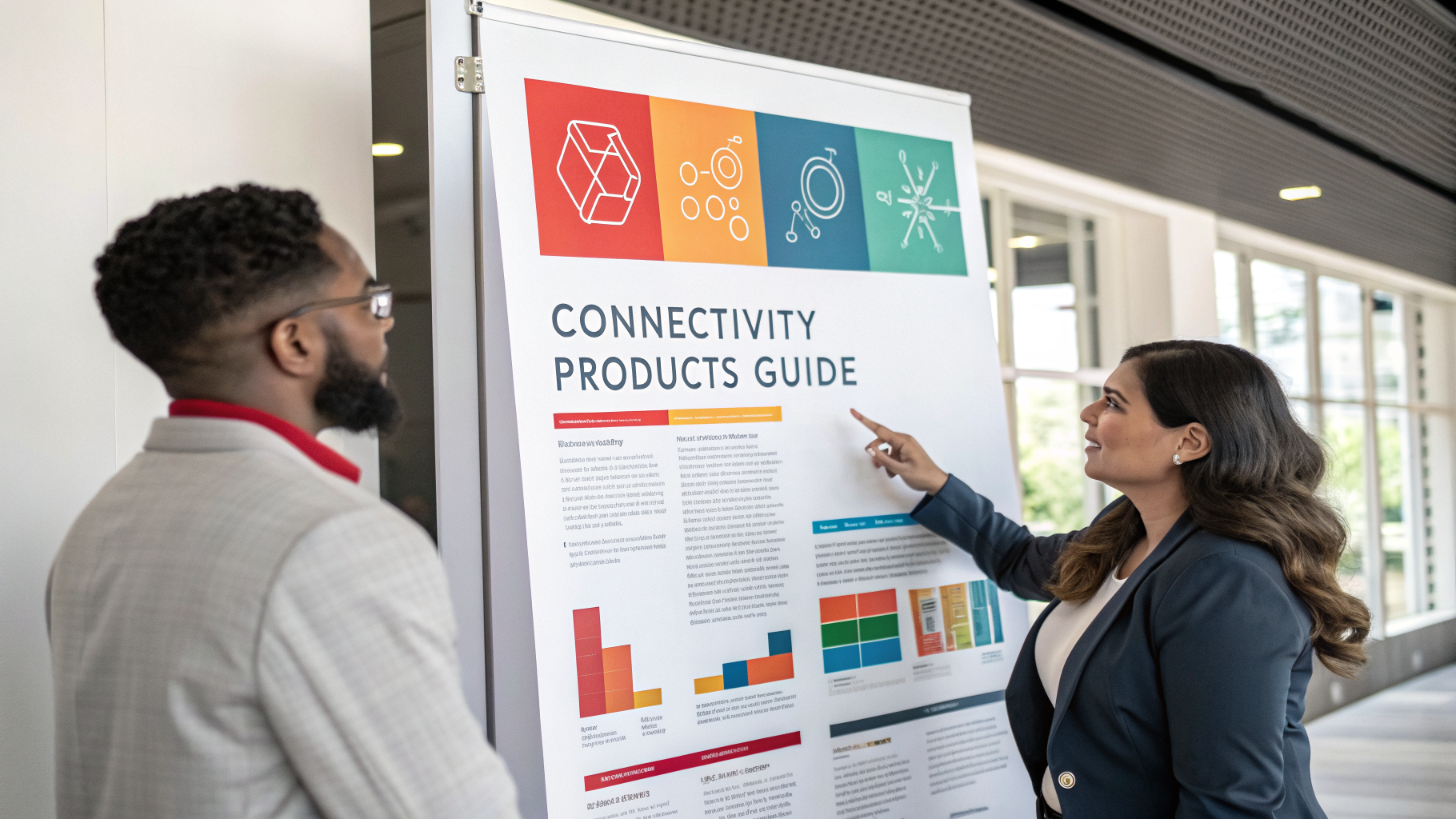
The foundation of any modern enterprise network relies on high-performance physical interfaces to manage massive data flows. As cloud computing and artificial intelligence workloads expand, the demand for structured cabling and high-speed interconnect solutions has surged. Network architects must carefully evaluate bandwidth requirements and power constraints before deploying new hardware. According to Martin Cotton, “Choosing the right connectivity product in the data center starts with understanding the application’s bandwidth, latency and power constraints, then mapping those directly” (Amphenol, 2025)[4].
Much like consulting a cat lover gift guide to find the perfect present for a feline enthusiast, IT managers rely on specialized frameworks to select the exact components needed for their infrastructure. The shift toward 400G and 800G Ethernet switch ports necessitates advanced cable technology that minimizes signal degradation. Engineers often consult the Institute of Electrical and Electronics Engineers (IEEE) standards to ensure compliance with emerging transmission protocols. The global structured cabling market is expanding rapidly, driven by the need for higher throughput. Fiber-optic solutions are increasingly preferred for their immunity to electromagnetic interference. When building out these environments, utilizing a thorough connectivityproducts guide ensures that every physical link supports the massive throughput required by modern hyperscale applications without introducing bottleneck failures.
Medical and Smart Healthcare Devices
Designing hardware for clinical environments requires a strict balance between miniaturization, reliability, and the ability to withstand rigorous cleaning protocols. Smart healthcare devices, including wearable monitors and portable diagnostic tools, depend on highly specialized medical connectors. These components must endure repeated exposure to harsh chemical disinfectants and high-temperature autoclaves. Mike Pecotich notes, “In smart healthcare devices, the connectivity products you choose must balance miniaturization, reliability and cleanability – if a connector cannot survive repeated sterilization” (Avnet, 2024)[5].
The push for compact wearable technology has made miniature and micro-miniature interfaces highly sought after, accounting for a significant portion of market revenue. These micro-connectors must maintain high pin density while allowing for easy mating and unmating by medical staff wearing gloves. When engineers use a detailed connectivityproducts guide, they quickly learn that consumer-grade components will fail rapidly in clinical settings. Robust designs reduce field-failure rates significantly, ensuring patient safety and continuous data monitoring. By prioritizing materials that resist degradation during sterile cycles, manufacturers can deliver reliable devices that meet stringent regulatory requirements while maintaining a small physical footprint for patient comfort.
Automotive and Harsh Environments
Vehicles today operate as rolling data centers, demanding physical connections that survive extreme temperature cycling, vibration, and contaminant exposure. The rapid integration of advanced driver-assistance systems and infotainment networks has transformed automotive connectivity into a critical safety domain. Ethernet-based in-vehicle networks are rapidly replacing legacy wiring harnesses to handle the massive sensor data generated by modern cars. This transition reduces overall vehicle weight while exponentially increasing the data throughput available for real-time processing. The TE Connectivity Engineering Team emphasizes, “Automotive connectivity products must be designed for harsh environments where vibration, temperature cycling and exposure to contaminants can quickly degrade unqualified connectors” (TE Connectivity, 2024)[6].
To ensure long-term reliability, engineers must select sealed, heavy-duty interfaces that maintain signal integrity under constant mechanical stress. Even local veterinary diagnostic tools, such as those used by professionals specializing in Baton Rouge cat care, rely on robust internal wiring that mirrors these automotive-grade standards. Following the strict protocols outlined in a connectivityproducts guide helps designers avoid catastrophic failures caused by moisture ingress or thermal expansion. Ultimately, choosing the right automotive-grade components ensures that critical vehicle systems remain operational throughout the lifespan of the vehicle, regardless of the external environment.
AV and IT System Integration
Audiovisual and information technology installations depend entirely on the physical layer to maintain signal resolution and prevent intermittent failures. From corporate boardrooms to large-scale entertainment venues, the quality of the physical link directly impacts the end-user experience. When transmitting high-definition video over long distances, passive cables often fall short of specification limits. The Comprehensive Connectivity Company Product Team warns, “The right connectivity products act as the backbone of an AV or IT system – if the wrong cable or adapter is used, you will see it immediately” (Comprehensive Connectivity Company, 2024)[7].
To overcome distance limitations, integrators frequently deploy active optical cables and signal boosters to preserve data fidelity. These active components regenerate the digital signal, ensuring that high-definition video and multi-channel audio remain perfectly synchronized across large venues. Engineers working on complex AV integrations often face high stress, which is why some firms now incorporate wellness initiatives, such as therapeutic laughter techniques and practices, to improve team focus and well-being during long deployment cycles. By consulting a comprehensive connectivityproducts guide repository, technicians can identify the exact active components needed to bridge long gaps without losing picture quality. Proper planning and the use of certified adapters ensure that every display and audio endpoint receives a clean, uninterrupted signal.
Questions from Our Readers
What is the most critical factor when selecting data center cables?
The most critical factor is matching the cable technology to the application’s specific bandwidth, latency, and power constraints. In modern hyperscale environments, high-speed transmission is essential, but it must not compromise signal integrity or thermal management. Engineers must evaluate whether copper or fiber-optic solutions best suit the physical distance and data rate requirements. Consulting a reliable connectivityproducts guide helps professionals map these technical constraints directly to the appropriate physical layer components, ensuring the infrastructure can handle current workloads while remaining scalable for future upgrades.
How do medical connectors differ from standard commercial components?
Medical connectors are specifically engineered to withstand rigorous cleaning protocols, including exposure to harsh chemical disinfectants and high-temperature autoclaves. Unlike standard commercial parts, they utilize specialized materials that resist degradation during repeated sterile cycles. Additionally, they often feature miniaturized designs to support compact, wearable smart healthcare devices without sacrificing mechanical robustness. This ensures patient safety and continuous monitoring reliability. Using a specialized connectivityproducts guide ensures designers select components that meet strict clinical regulatory standards and survive the demanding physical conditions of hospital environments.
Why are automotive-grade connectors necessary for modern vehicles?
Modern vehicles generate massive amounts of sensor data for advanced driver-assistance systems, requiring high-speed Ethernet networks. Automotive-grade connectors are built to survive harsh environments characterized by extreme temperature cycling, constant vibration, and exposure to moisture or chemical contaminants. Standard commercial interfaces would quickly degrade under these conditions, leading to critical system failures. By following the established principles in a connectivityproducts guide, engineers can select sealed, heavy-duty components that maintain flawless signal integrity. This guarantees that vital safety and infotainment systems remain fully operational throughout the entire lifespan of the vehicle.
What causes signal failure in long-distance AV installations?
Signal failure in long-distance audiovisual setups typically occurs when passive cables exceed their maximum specification limits, resulting in lost resolution or intermittent connections. High-definition video requires substantial bandwidth, which degrades over long copper runs due to attenuation and electromagnetic interference. To resolve this, integrators must use active connectivity products, such as signal boosters or active optical cables, to regenerate and preserve data fidelity. Reviewing a connectivityproducts guide allows technicians to identify the exact active solutions required to bridge extended distances, ensuring every display receives a clean, uninterrupted signal.
Comparing Physical Layer Approaches
Selecting the optimal physical medium requires balancing distance, bandwidth, and environmental factors. Below is a comparison of common approaches used in modern deployments.
| Approach | Best Use Case | Key Limitation |
|---|---|---|
| Copper Cabling | Short-distance, high-power delivery | Signal attenuation over long runs |
| Fiber-Optic | Long-distance, high-bandwidth data centers | Fragility and higher termination costs |
| Active Optical | Long-distance AV and IT installations | Requires external power or active transceivers |
When evaluating these options, a well-structured connectivityproducts guide can help engineers weigh the trade-offs between cost and performance to achieve optimal system reliability.
Practical Tips for Deployment
Successful deployment of physical infrastructure requires careful planning and adherence to industry best practices. Here are actionable strategies to ensure long-term reliability:
- Always verify the environmental ratings of your components before installation, ensuring they can withstand local temperature and moisture conditions.
- Test every physical link with certified diagnostic equipment prior to closing walls or racks to catch signal degradation early.
- Avoid mixing different manufacturer transceivers and cables unless explicitly validated for interoperability, as this can introduce subtle latency issues.
- Implement strict cable management and bending radius guidelines to prevent physical stress on the internal conductors and fiber cores.
Furthermore, staying updated on emerging standards is crucial. As 400G and 800G networks become standard, older legacy cabling will quickly become a bottleneck. Regularly reviewing updated documentation and frameworks from a connectivityproducts guide ensures your infrastructure remains future-proof and capable of handling next-generation workloads without requiring a complete rip-and-replace overhaul.
Final Thoughts on the connectivityproducts guide
Building resilient networks and devices starts at the physical layer. By understanding the unique demands of data centers, clinical settings, and automotive environments, engineers can make informed decisions that prevent costly failures. This connectivityproducts guide has highlighted the importance of matching application constraints to the right cable technology and materials. Whether you are deploying high-speed fiber optics or ruggedized vehicle sensors, prioritizing signal integrity and mechanical robustness is essential. For more insights on technology and engineering best practices, continue exploring the resources available on freshwaterpearlnecklace.com.
Useful Resources
- Structured Cabling Market by Product Type, Application, and Region – Global Forecast to 2030. MarketsandMarkets.
https://www.marketsandmarkets.com/Market-Reports/structured-cabling-market-199844367.html - 400 Gigabit Ethernet Forecast Update. Dell’Oro Group.
https://www.delloro.com/news/400-gigabit-ethernet-forecast-update/ - Worldwide Datacenter Physical Infrastructure Forecast. IDC.
https://www.idc.com/getdoc.jsp?containerId=US52003424 - Guide to Data Center Connectors, Standards & Best Practices. Amphenol.
https://amphenolltw.com/news-events/guide-to-data-center-connectors.html - Connectivity Solution Guide for Smart Health. Avnet.
https://www.avnet.com/wcm/connect/04d1c95a-5b63-4630-ba62-dd178fb65210/rr-solution-guide.pdf - TE Connectivity Product & Application Guide. TE Connectivity.
https://hasmak.com.tr/yeni/pdf/TE%20Connectivity%20Product%20&%20Application%20Guide.pdf - AV & IT Connection Guide. Comprehensive Connectivity Company.
https://comprehensiveco.com/connection-guide/