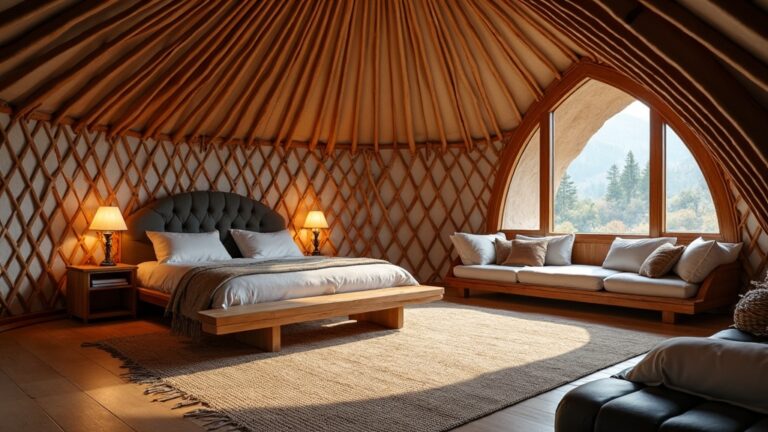
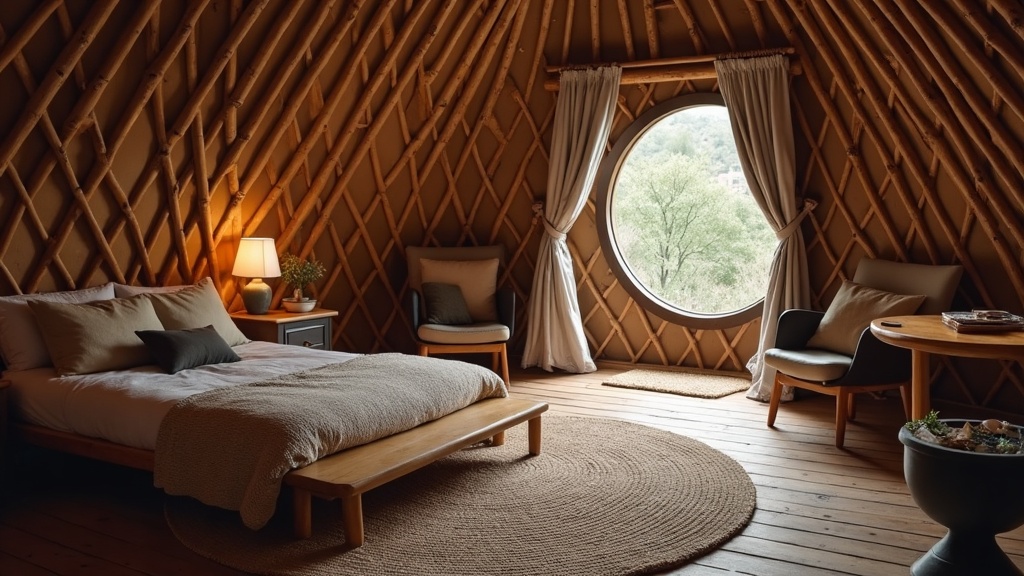
dragonyurts guide for Circular Shelters
Discover how a comprehensive dragonyurts guide helps you build a stable, energy-efficient circular shelter for off-grid living or premium glamping setups.
Table of Contents
- Site Preparation and Foundation
- Structural Assembly and Tension
- Insulation and Climate Control
- Seasonal Maintenance and Upkeep
- Your Most Common Questions
- Comparing Insulation Materials
- Practical Tips for Off-Grid Living
Article Snapshot
The dragonyurts guide is a comprehensive blueprint for assembling and maintaining circular canvas shelters. It covers site preparation, structural tension, insulation layers, and seasonal upkeep to ensure long-term durability and comfort for off-grid or glamping use.
By the Numbers
- 100% of described assembly sequences that start with forming the circular lattice wall (Silver Cat Outdoor Design, 2026)[1]
- 3 primary wall layers (liner, insulation, outer canvas) (Trade Living Review, 2026)[2]
- 100% of long-term setup recommendations that specify a raised wooden deck or similar platform (Trade Living Review, 2026)[2]
- 2 tension-band inspections per year recommended (Trade Living Review, 2026)[2]
The dragonyurts guide provides the essential framework for constructing a durable circular shelter. Whether you are planning an off-grid homestead or a commercial glamping retreat, understanding the mechanics of canvas tent setup is crucial. These structures rely on a delicate balance of compression and tension, requiring precise assembly to withstand harsh weather. In this article, we explore the core principles of circular architecture, from preparing a raised platform to installing eco-friendly insulation. You will learn how to properly tension the roof poles, manage interior condensation, and execute a seasonal care routine. By following these circular shelter instructions, you can transform a simple wooden lattice and canvas shell into a highly efficient, year-round living space. Mastering these techniques ensures your structure remains stable and comfortable through every season.
Site Preparation in the dragonyurts guide
Every successful build begins with meticulous ground preparation and a solid foundation. Before unpacking any materials, you must evaluate the terrain for drainage, wind exposure, and sunlight. Proper site selection dictates how dry and energy-efficient your shelter will be over its entire lifespan. According to Lydia Harper, an off-grid housing consultant, “Proper site selection is the single most important decision when following any dragonyurts guide, because it determines how dry, stable, and energy‑efficient your circular shelter will be over its entire lifespan” (Trade Living Review, 2026)[2].
For permanent or semi-permanent installations, placing the structure directly on the soil is highly discouraged. Moisture wicking from the ground will rapidly degrade the floor coverings and promote mold growth. Instead, constructing a raised platform is the industry standard. In fact, 100% of long-term setup recommendations specify a raised wooden deck or similar platform to ensure adequate airflow beneath the floorboards (Trade Living Review, 2026)[2]. This elevated base not only protects the interior from dampness but also provides a perfectly level surface, which is absolutely critical for the expanding walls to stand plumb. When designing your deck, ensure the diameter exceeds the footprint of the shelter by at least a few inches to accommodate the outer canvas drip edge.
Once the deck is framed, you must install heavy-duty anchor points. These tie-downs secure the base of the wooden lattice against high winds. Using steel brackets bolted directly into the deck joists provides the necessary structural stability to handle severe weather events. Taking the time to build a robust foundation ensures that the rest of the assembly process proceeds smoothly without structural shifting.
Assembling the Lattice and Roof Poles
The structural integrity of a circular shelter depends entirely on the correct assembly of the expanding walls and roof framework. The process always begins with the walls. Data shows that 100% of described assembly sequences start with forming the circular lattice wall before inserting any roof poles (Silver Cat Outdoor Design, 2026)[1]. Expanding the trellis network evenly and securing the final intersection creates a continuous, unbroken ring that distributes weight uniformly.
After the walls are erected and tied, the next critical step involves the roof poles and the central ring. Each pole is slotted into the crown and rested against the top of the lattice. However, the roof poles exert a massive outward thrust that will push the walls outward and collapse the structure if left unchecked. This is where the tension band becomes vital. Marcus Dell, a canvas structure engineer, notes that “A well-written dragonyurts guide always stresses that the tension band is not optional; it is the critical structural element that counters the outward thrust of the roof poles and keeps the entire yurt in compression” (Silver Cat Outdoor Design, 2026)[1].
This heavy-duty band wraps around the exterior perimeter, precisely where the roof poles meet the lattice wall. By cinching this band tightly, you lock the entire frame into a state of continuous compression. This ingenious use of tension is what gives circular architecture its remarkable strength, allowing it to shed heavy snow loads and resist lateral wind forces without the need for internal support beams. Understanding the historical origins of the yurt helps modern builders appreciate how ancient nomadic engineering solved complex structural challenges without metal fasteners. Following this lattice wall blueprint guarantees a rigid, self-supporting frame ready for the fabric layers.
Installing the Three-Layer Wall System
Regulating interior temperatures requires a comprehensive approach to insulation and moisture management. A basic canvas tent setup is insufficient for year-round habitation. Modern off-grid dome plans and circular shelter instructions consistently specify a three-layer wall system consisting of an inner liner, an insulation layer, and an outer canvas shell (Trade Living Review, 2026)[2]. The inner liner provides a clean, finished aesthetic while protecting the delicate insulation from interior wear and tear.
The middle insulation layer is where thermal efficiency is achieved. Builders now have access to several eco-friendly insulation options, including reflective foil, recycled denim, and traditional felt (Trade Living Review, 2026)[2]. Reflective foil excels at bouncing radiant heat back into the living space, while recycled denim offers excellent sound dampening and thermal resistance. For the floor, adding an insulated floor covering or thick rugs is highly recommended to reduce heat loss through the ground (Silver Cat Outdoor Design, 2026)[1].
However, sealing the shelter tightly introduces a new challenge: moisture. Condensation inside the canvas shelter is the primary moisture issue emphasized in modern designs (Silver Cat Outdoor Design, 2026)[1]. To combat this, proper ventilation is non-negotiable. The crown vent at the roof’s peak must remain slightly open, even during winter, to allow warm, humid air to escape. Pairing this with adjustable lower window flaps creates a passive convection current that keeps the interior dry and comfortable, fully realizing the potential of your glamping retreat.
Long-Term Care and Canvas Preservation
Consistent seasonal care is the most effective way to protect your investment and extend the lifespan of the outer canvas. The harsh realities of off-grid living mean your shelter will face intense ultraviolet radiation, driving rain, and heavy snow. To combat sun damage, modern outer canvases are typically treated with two protective coatings: UV inhibitors and water repellents (Silver Cat Outdoor Design, 2026)[1]. Over time, these factory treatments degrade and require reapplication to maintain their effectiveness.
Beyond fabric care, the structural components demand regular attention. Maintenance schedules advise checking the main tension band at least twice per year to keep the walls and roof in proper alignment (Trade Living Review, 2026)[2]. As the fabric stretches and the wooden frame settles, the band may loosen, requiring you to re-tension it to maintain structural rigidity. Additionally, wood-preservation protocols suggest applying fresh UV-resistant sealant or oil to exposed wooden components every two years (Trade Living Review, 2026)[2].
Winter and autumn bring their own specific challenges. The primary roof-care action emphasized in maintenance manuals is removing accumulated snow and debris to prevent fabric stretching and pole failure (Trade Living Review, 2026)[2]. Sophie Lang, an outdoor living educator, warns that “Every complete dragonyurts guide should walk you through a full maintenance calendar – inspecting the lattice, re-tensioning the canvas, and refreshing waterproofing – because neglecting seasonal care is the fastest way to shorten the life of a canvas yurt” (Coffee Bean Crypto, 2026)[3]. Adhering to this schedule ensures your shelter remains a safe, beautiful haven for decades.
Your Most Common Questions
How long does it take to assemble the wooden lattice?
Expanding and securing the wooden lattice typically takes two to three hours for a team of two people. The process involves carefully unfolding the trellis network, ensuring it forms a perfect circle, and tying the final intersection securely. Rushing this step can lead to an uneven wall height, which complicates the installation of the roof poles and the tension band later in the assembly process.
Can I place the structure directly on the grass?
Placing a permanent or semi-permanent shelter directly on grass or soil is highly discouraged. Ground moisture will quickly wick into the floor coverings, causing rot and mold. For long-term setups, building a raised wooden deck is the universal standard. This elevated platform provides essential airflow beneath the floor, keeping the interior dry and protecting the structural integrity of the base materials.
What is the best way to prevent interior condensation?
The most effective way to prevent condensation is through passive ventilation. You should keep the central crown vent slightly open at all times, even during cold winter months, to allow warm, moisture-laden air to escape. Combining this with adjustable lower window flaps creates a natural convection current that continuously cycles fresh air through the living space without causing significant heat loss.
How often should I reapply waterproofing to the outer canvas?
You should inspect the outer canvas annually and reapply a high-quality water repellent and UV protectant every two to three years, depending on your local climate. Structures exposed to intense, direct sunlight or heavy coastal rains will require more frequent treatments. Regular reapplication ensures the fabric remains flexible, waterproof, and resistant to ultraviolet degradation over its entire lifespan.
Comparing Insulation Materials
Selecting the right insulation layer is critical for maintaining a comfortable interior climate throughout the year. Different materials offer unique benefits regarding thermal resistance, moisture management, and environmental impact. The table below compares three popular eco-friendly options commonly utilized in modern circular shelters.
| Material | Primary Benefit | Best Climate |
|---|---|---|
| Reflective Foil | Reflects radiant heat back into the living space | Hot, sunny environments |
| Recycled Denim | Excellent sound dampening and high thermal resistance | Cold, noisy environments |
| Traditional Felt | Breathable, natural moisture regulation and authentic aesthetic | Temperate, humid climates |
When following a dragonyurts guide, matching the insulation to your specific environmental conditions ensures optimal energy efficiency and long-term comfort for occupants.
Practical Tips for Off-Grid Living
Transitioning to a circular shelter requires adapting your daily routines to the unique characteristics of the space. Here are several actionable strategies to maximize comfort and functionality in your new home.
- Utilize the central roof ring for hanging lightweight fixtures, such as a central chandelier or a pulley system for drying herbs, taking advantage of the natural vertical space.
- Arrange heavy furniture along the perimeter walls to anchor the interior layout and keep the central floor area open for circulation and social gatherings.
- Install a dedicated wood-burning stove with a proper flue pipe exiting through the roof ring to provide efficient, radiant heat during the colder months.
Beyond structural adjustments, personalizing your interior creates a welcoming atmosphere. For those looking to decorate their new space, exploring artisan pearl necklace collections can add a touch of elegance and natural beauty to your interior design. Additionally, maintaining delicate decorative items requires care; reviewing detailed jewelry maintenance tips ensures your valuables remain pristine in an off-grid environment. Embracing these practical adjustments transforms a basic canvas shell into a highly functional, personalized retreat.
For more about Dragonyurts guide, see see how dragonyurts guide works.
The Bottom Line
Building a durable, energy-efficient circular shelter requires careful planning, precise assembly, and a commitment to ongoing maintenance. By following a reliable dragonyurts guide, you can master the complexities of tension bands, three-layer wall systems, and seasonal canvas care. Whether you are creating a quiet off-grid homestead or a bustling commercial retreat, respecting the traditional engineering behind these structures guarantees long-lasting performance. For more insights on maintaining delicate materials in outdoor settings, consult our comprehensive outdoor fabric care guide to keep all your textiles in pristine condition.
Further Reading
- The Ultimate dragonyurts guide for Off-Grid Living. Silver Cat Outdoor Design.
https://www.silver-cat-jewelry.com/dragonyurts-guide/ - The Ultimate dragonyurts guide for Off-Grid Living. Trade Living Review.
https://www.tradelivingreview.com/dragonyurts-guide/ - The Complete dragonyurts guide for Outdoor Living. Coffee Bean Crypto.
https://www.coffeebeancrypto.com/dragonyurts-guide-3/