Yurts for Glamping: Luxury Tent Stays in Nature
Discover how yurts for glamping combine tent-style adventure with hotel-level comfort, and learn why these circular structures are driving the fastest-growing segment in outdoor hospitality.
Table of Contents
- What Are Yurts for Glamping?
- Why Yurts Work So Well for Glamping
- Market Trends Driving Yurt Glamping Growth
- How to Choose a Yurt for Your Glamping Property
- Frequently Asked Questions
- Yurt vs. Cabin vs. Safari Tent: Which Is Best?
- Practical Tips for Yurt Glamping Operators
Yurts for glamping are circular, tent-like structures that offer a unique blend of outdoor immersion and modern amenities. They are a cost-effective, low-impact way for property owners to enter the rapidly growing glamping market, which is projected to reach $9.15 billion by 2034 (Fortune Business Insights, 2024).
- The global glamping market was valued at $3.8 billion in 2025 (Grand View Research, 2024)[1].
- It is projected to grow at a compound annual growth rate (CAGR) of 10.67% from 2026 to 2034 (Fortune Business Insights, 2024)[2].
- Tent-style glamping accommodations, which include yurts, are expected to see a CAGR of 10.6% from 2026 to 2033 (Grand View Research, 2024)[1].
What Are Yurts for Glamping?
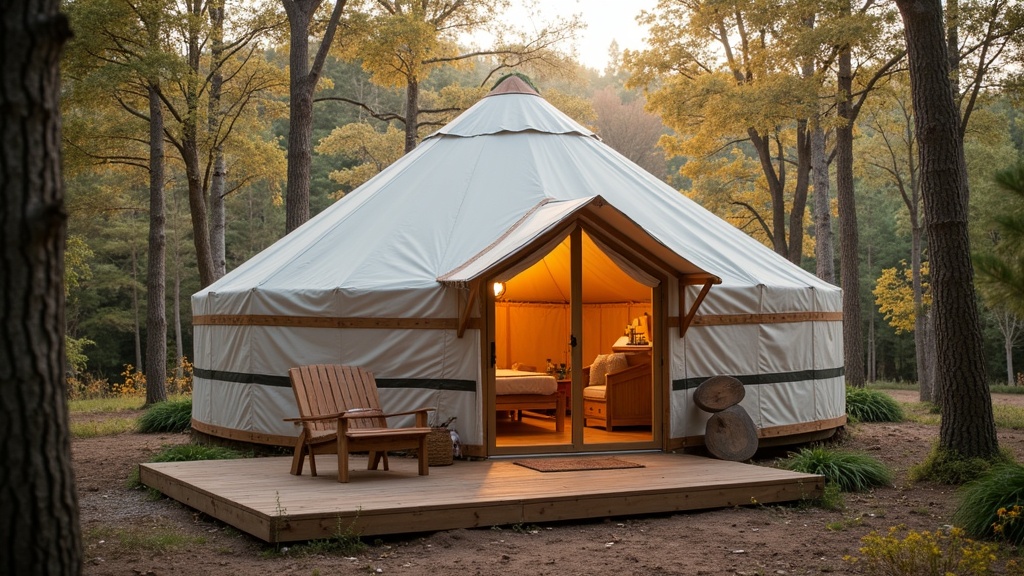
Yurts for glamping are modern, luxury versions of the traditional nomadic dwelling used by Central Asian herders for centuries. Unlike basic camping tents, these structures feature a sturdy wooden lattice frame, insulated fabric walls, a raised wooden floor, and often include amenities such as real beds, electricity, heating, and even en-suite bathrooms. They offer the feeling of sleeping under canvas – the signature round shape and fabric ceiling create a sense of being cocooned in nature – but with the comfort and climate control that modern travelers expect.
As Scott Bahr, President of Cairn Consulting Group, notes, “Glamping has evolved from a niche novelty into a mainstream lodging option, with unique accommodations like yurts, domes and safari tents now playing a central role in how outdoor properties differentiate themselves” (Glamping Industry Trends, 2024)[3]. This shift is particularly relevant for property owners looking to add distinctive, high-demand inventory. A bare-bones 16–20 foot glamping yurt can cost approximately $10,000 to purchase, excluding flooring and interior fit-out (Airbnb Hosts Forum, 2024)[4], making them a relatively accessible investment compared to building a traditional cabin.
Why Yurts Work So Well for Glamping
The success of yurts in the glamping market stems from their unique ability to balance adventure with comfort. Jim Rogers, former CEO of Kampgrounds of America, explains: “Yurts have become one of the signature structures for glamping because they deliver the feeling of camping under canvas while providing the comfort and amenities guests now expect from outdoor hospitality” (KOA Camping Blog, 2024)[5].
This balance appeals to a broad demographic. The KOA Camping Blog team notes that “Unique glamping structures such as yurts are especially appealing to multigenerational families, offering a shared indoor space that feels adventurous but still provides the climate control, beds and bathrooms that keep everyone comfortable” (2024)[5]. The circular design creates a natural social hub, with the center of the yurt often serving as a communal area for dining or games.
For property owners, the advantages are equally compelling. Bill Cumming, Founder of Pacific Yurts, states: “For property owners, yurts are an ideal glamping solution: they offer a relatively quick, low-impact way to add high-demand inventory compared with building traditional cabins, while still delivering a memorable guest experience” (Pacific Yurts, 2024)[6]. The low environmental footprint – yurts require minimal foundation work and can be assembled in days – also appeals to eco-conscious travelers and land-use regulators alike. A well-placed yurt can offer guests stunning views of a lake, forest, or mountain range without the visual and physical permanence of a cabin.
Market Trends Driving Yurt Glamping Growth
The broader glamping market is experiencing explosive growth, and yurts are riding that wave. The global market was valued at $3.8 billion in 2025 (Grand View Research, 2024)[1] and is projected to reach $9.15 billion by 2034 (Fortune Business Insights, 2024)[2]. This represents a CAGR of 10.67% over the forecast period.
Several demographic and behavioral trends are fueling this growth. The 33 to 50 age group, often referred to as the “experience economy” core, is projected to see a CAGR of 10.2% in glamping demand from 2026 to 2033 (Grand View Research, 2024)[1]. These travelers value unique, Instagram-worthy experiences over traditional hotel stays. Yurts, with their photogenic round shape and cozy interiors, are a natural fit for social media sharing.
Geographically, North America is a key growth engine. The North American glamping market is projected to grow at a CAGR of 11.7% from 2026 to 2033 (Grand View Research, 2024)[1], outpacing the global average. This is driven by a strong domestic travel market, a growing preference for outdoor experiences, and a proliferation of glamping resorts. Ruben Martinez, Co-founder of the American Glamping Association, confirms: “From an investment standpoint, yurts continue to be one of the most cost-effective ways to enter the glamping market, particularly for boutique operators who need unique spaces that can be installed and monetized quickly” (Glamping Industry Trends, 2024)[3].
How to Choose a Yurt for Your Glamping Property
Selecting the right yurt involves several key considerations that go beyond aesthetics. First, size matters. A 16-foot yurt is suitable for a romantic couple’s retreat, while a 24- or 30-foot yurt can accommodate a family of four or five, with space for a separate sleeping area and a small kitchenette. The lattice wall height also affects the sense of space; taller walls (typically 6 feet or more) make the yurt feel more like a room than a tent.
Second, consider the climate. For four-season glamping operations, a yurt with a heavy-duty, insulated canvas shell and a wood stove or mini-split HVAC system is essential. Some manufacturers offer double-layer insulation packages that can handle snow loads and sub-zero temperatures. For warmer climates, a lighter canvas with mesh windows and a large dome skylight for ventilation is more appropriate.
Third, think about the interior fit-out. A successful glamping yurt needs more than just a bed. Guests expect a curated experience: quality linens, a small table and chairs, ambient lighting (battery-powered or solar lanterns are popular for a rustic feel), and a coffee or tea station. A well-designed interior can command premium nightly rates. If you are looking for a specific style of yurt, you might explore options like those found at specialty yurt builders that focus on the glamping market.
Frequently Asked Questions
How much does a glamping yurt cost to buy and set up?
The cost of a yurt for glamping varies widely based on size, materials, and included features. A basic 16–20 foot shell can cost around $10,000 (Airbnb Hosts Forum, 2024)[4], but this does not include the platform or foundation, flooring, insulation, electrical wiring, plumbing, or interior furnishings. A fully turn-key glamping yurt with a platform, insulation, a wood stove, and basic furnishings can range from $25,000 to $50,000. High-end luxury yurts with full bathrooms, kitchenettes, and premium finishes can cost $75,000 or more. Professional installation and site preparation (clearing, leveling, access road) add to the total investment.
Do yurts hold up in bad weather, like snow or strong winds?
Yes, modern yurts designed for glamping are engineered to withstand significant weather loads. The lattice wall system is incredibly strong and flexible, allowing the structure to shed snow and resist wind. Many manufacturers offer models rated for snow loads of up to 30 pounds per square foot or more. The key is proper installation: a well-anchored platform, a correctly tensioned roof cable, and high-quality weatherproofing of the canvas. For winter use, an insulated liner and a reliable heat source (such as a wood stove or propane heater) are essential to prevent condensation and keep guests warm.
Can I put a yurt on any piece of land?
Not automatically. Local zoning laws, building codes, and permitting requirements vary significantly. In many rural or unincorporated areas, yurts may be classified as “temporary structures” or “tent-like” and may be easier to permit than a permanent cabin. However, some jurisdictions have specific regulations about minimum square footage, foundation types, and septic systems. It is crucial to check with your local planning department before purchasing. For commercial glamping operations, you may also need a business license, a lodging tax registration, and to comply with health and safety codes (e.g., fire exits, smoke detectors, and water testing).
What is the return on investment for a glamping yurt?
ROI depends heavily on location, occupancy rates, nightly rates, and operating costs. A well-placed yurt in a popular glamping destination can command nightly rates of $150 to $400 or more, especially during peak season. With a total investment of $30,000 to $50,000, an operator achieving 60-70% annual occupancy at $200 per night could see a payback period of 2 to 4 years. Ongoing costs include maintenance (canvas cleaning, wood stove upkeep), utilities, insurance, property taxes, and platform fees from booking sites. The strong demand for unique accommodations (Grand View Research, 2024)[1] supports the potential for a healthy return.
Yurt vs. Cabin vs. Safari Tent: Which Is Best?
When choosing a glamping structure, operators often compare yurts, cabins, and safari tents. Each has distinct advantages. Yurts offer a unique, circular aesthetic and a relatively low cost and installation time. Cabins provide maximum insulation, soundproofing, and a sense of permanence, but are more expensive and require longer construction. Safari tents offer a large, rectangular interior and are often cheaper than yurts, but they may lack the structural integrity for heavy snow or high winds.
| Feature | Yurt | Cabin | Safari Tent |
|---|---|---|---|
| Average Cost (Turn-key) | $25,000 – $75,000 | $50,000 – $150,000+ | $15,000 – $40,000 |
| Installation Time | Days | Weeks to Months | Days |
| Weather Resistance | Excellent (snow/wind) | Excellent (all) | Good (wind), Fair (snow) |
| Interior Space | Open, circular | Rectangular, divisible | Large, rectangular |
| Guest Appeal | High (unique/cozy) | Moderate (familiar) | High (spacious) |
Practical Tips for Yurt Glamping Operators
To maximize your success with yurts for glamping, focus on the guest experience from booking to checkout. First, invest in high-quality bedding and linens. A great night’s sleep is the single most important factor in guest satisfaction. Second, create a clear and honest description of the yurt’s amenities. If there is no running water or electricity, say so upfront and explain the alternatives (e.g., a shared bathhouse, solar-powered lights).
Third, think about the “outdoor room.” A private fire pit, a picnic table, and a hammock can extend the living space and add tremendous value. Fourth, manage your online reputation carefully. Encourage guests to leave reviews on platforms like Airbnb, Google, and TripAdvisor, and respond to all feedback promptly. Finally, stay informed about industry trends. The demand for tent-style glamping accommodations is projected to grow at a CAGR of 10.6% (Grand View Research, 2024)[1], so there is a strong market tailwind for yurt operators.
For more about Yurts for glamping, see see how yurts for glamping works.
Final Thoughts on Yurts for Glamping
Yurts for glamping represent a powerful intersection of tradition and modern luxury. They offer guests a memorable, Instagram-worthy escape into nature without sacrificing comfort, and they offer property owners a relatively low-cost, high-impact way to enter the booming outdoor hospitality market. The key to success lies in choosing the right structure for your climate and target audience, investing in a quality interior fit-out, and managing the guest experience with care. For more detailed guidance on starting your own yurt glamping business, check out our cats coughing article for related tips on pet-friendly accommodations, or read our gifts for cat moms piece for ideas on niche marketing. The market is ready – the question is whether you are ready to build your yurt.
Further Reading
- Glamping Market Size, Share & Trends Analysis Report. Grand View Research, 2024.
https://www.grandviewresearch.com/industry-analysis/glamping-market - Glamping Market Size, Share & Industry Analysis. Fortune Business Insights, 2024.
https://www.fortunebusinessinsights.com/glamping-market-112745 - Glamping Industry Trends 2024: Growth, Challenges & Future. Glamping Show Magazine, 2024.
https://www.glampingshow.us/magazine/glamping-industry-trends/ - Glamping Yurt Listings – Anyone Do Them? Airbnb Hosts Forum, 2024.
https://airhostsforum.com/t/glamping-yurt-listings-anyone-do-them/27818 - 2025 Top Glamping Trends. KOA Camping Blog, 2024.
https://koa.com/blog/2024-top-glamping-trends/ - How to Go Glamping in Style on Your Next Yurt Vacation. Pacific Yurts, 2024.
https://www.yurts.com/how-to-go-glamping-in-style-on-your-next-yurt-vacation/