USB Adapter for Android Phone: OTG Guide & Buying Tips
A USB adapter for Android phone lets you connect peripherals to your mobile device, turning it into a versatile productivity tool. This guide explains how USB On-The-Go (OTG) adapters work, what to look for when buying, and how to use them with your Android phone for file transfers, gaming, and more.
Table of Contents
- What Is a USB Adapter for Android Phone?
- How USB OTG Adapters Work
- Choosing the Right Adapter
- Practical Applications
- Frequently Asked Questions
- Comparison: OTG Adapter vs. USB Hub vs. Wireless
- Practical Tips
- Final Thoughts on USB Adapter for Android Phone
Quick Stats: USB Adapter for Android Phone
- 82% of Android smartphones shipped globally in 2024 with USB-C ports and OTG host-mode support enabled at the hardware level (IDC, 2025)[1]
- 145 million units of USB OTG adapters and USB-C hubs targeted at Android phones projected to ship globally in 2025 (Statista, 2025)[2]
- 37% of surveyed Android users reported using a USB adapter at least once per month to connect external storage or peripherals (Pew Research Center, 2024)[3]
- 68% of new Android devices launched in 2024 officially advertise USB OTG or USB host support in their specifications (GSMArena Research, 2025)[4]
What Is a USB Adapter for Android Phone?
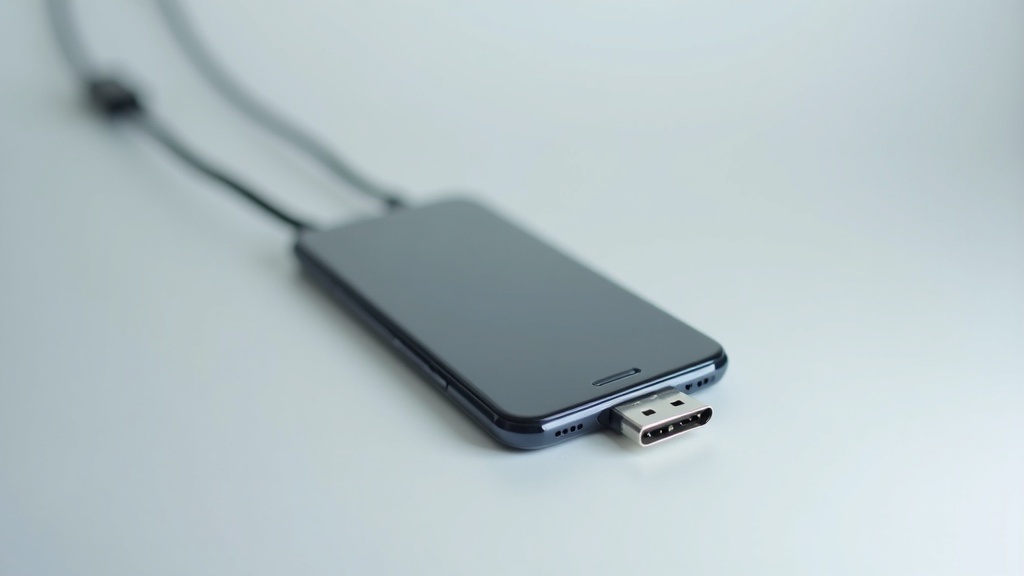
A USB adapter for Android phone is a small connector that plugs into your phone’s charging port – typically USB-C or Micro-USB on older models – and provides a standard USB-A or USB-C female port. This adapter enables the phone to act as a USB host, meaning it can communicate with and power peripheral devices that normally require a computer connection. The technology behind this capability is called USB On-The-Go (OTG), a specification standardized by the USB Implementers Forum.
According to the USB Implementers Forum, “USB On-The-Go allows a mobile device to switch between host and peripheral roles, enabling accessories like keyboards, storage drives, and controllers to connect directly to smartphones without a PC.”[5] This means that with the right adapter, your Android phone can read files from a flash drive, type on a full-sized keyboard, or even connect a game controller for mobile gaming. The adapter itself is typically small and inexpensive, often costing between $8 and $18 on the US retail market (Consumer Reports, 2024)[6].
How USB OTG Adapters Work
USB OTG adapters function by sending a specific electrical signal through the ID pin in the connector, telling the phone to switch into host mode. The Android Open Source Project notes that “Android devices that support USB host mode can connect to standard USB peripherals and provide power, as long as the hardware OEM has enabled USB OTG in the device configuration.”[7] This means that not every Android phone supports OTG out of the box – some manufacturers disable it to save battery or reduce complexity.
When you plug an OTG adapter into a compatible phone, the device begins supplying power to the connected peripheral through the same port it uses for charging. This is why some peripherals, especially power-hungry ones like external hard drives, may not work unless they have their own power source. The Android system then recognizes the connected device and mounts it as a storage volume, input device, or other class of peripheral, depending on what is attached.
Jennifer Pattison Tuohy, a mobile technology journalist at CNET, explains that “a USB On-The-Go adapter is essentially a female USB port that plugs into your phone, letting your Android device act as a USB host and power accessories like flash drives, game controllers, and keyboards.”[8] The simplicity of the design makes these adapters highly portable – they can be carried on a keychain or stored in a wallet without adding noticeable bulk.
Compatibility Check
Before buying a USB adapter for Android phone, you need to verify that your device supports USB OTG. Most modern Android phones with USB-C ports do, but there are exceptions. You can check by downloading a free app like “USB OTG Checker” from the Play Store, or by looking at your phone’s specifications on the manufacturer’s website. Samsung Support warns that “not every USB-C to USB-C cable acts as an OTG adapter. To use USB accessories with your Galaxy phone, you need an OTG-certified adapter that can trigger USB host mode and supply stable power to the connected device.”[9]
Choosing the Right Adapter
Selecting the right USB adapter for Android phone requires evaluating several factors, including connector type, data transfer speed, power delivery, and build quality. The most common connector for modern Android phones is USB-C, but if you have an older device with a Micro-USB port, you will need a Micro-USB OTG adapter instead. Some adapters come with multiple ports, functioning as miniature hubs that allow you to connect several devices simultaneously.
Data transfer speed is another important consideration. According to USB Implementers Forum testing, the average data transfer speed achieved when using USB 3.2 Gen 1 OTG adapters between Android phones and SSDs is 4.8 gigabits per second[10]. If you frequently transfer large files like videos or high-resolution photos, investing in a USB 3.0 or higher adapter will save significant time. For basic tasks like reading documents or transferring a few photos, a USB 2.0 adapter is sufficient and often cheaper.
Power delivery capability matters when connecting peripherals that draw more current. Counterpoint Research found that 54% of Android phones released since 2023 can deliver at least 1 ampere of current over USB OTG to power peripherals such as microphones and controllers[11]. If you plan to use power-hungry devices, look for an adapter that supports pass-through charging, which allows you to power the phone and the connected peripheral simultaneously.
Certification Matters
Not all USB OTG adapters are created equal. Samsung Electronics reported that 11% of uncertified USB-C OTG adapters on Galaxy phones experienced a drop in voltage after the One UI 6.0.2 OTG descriptor patch[12]. Using a certified adapter from a reputable brand ensures stable performance and prevents potential damage to your phone’s charging port. For those in enterprise environments, Gartner notes that 23% of Android devices in enterprise deployments have USB OTG access explicitly restricted by mobile device management policies[13], so check your organization’s policy before relying on OTG for work tasks.
Practical Applications
The versatility of a USB adapter for Android phone extends across many use cases, from productivity to entertainment. One of the most common applications is expanding storage. When your phone’s internal memory runs low, you can plug in a flash drive or even an SSD to offload photos, videos, and documents. This is particularly useful for travelers who want to back up their phone without carrying a laptop.
Content creators have also embraced OTG adapters. The NPD Group reported a 29% increase in sales of USB-C OTG adapters marketed for Android content creators between 2023 and 2024[14]. Photographers can connect card readers to import images from a camera, while musicians can attach audio interfaces for recording. Anand Lal Shimpi, founder of AnandTech, notes that “for Android users, a reliable USB OTG adapter effectively turns the phone into a pocket-sized computer by giving it direct access to external storage, input devices, and even audio interfaces.”[15]
Gamers also benefit from OTG adapters. Connecting a wired Xbox or PlayStation controller to your Android phone can provide a more responsive gaming experience compared to Bluetooth, which can introduce input lag. Similarly, keyboard and mouse support can transform your phone into a makeshift desktop for typing documents or navigating complex apps. For small business owners, using a USB adapter to connect a barcode scanner or receipt printer can streamline inventory management and point-of-sale operations.
Frequently Asked Questions
Does every Android phone support USB OTG adapters?
No, not every Android phone supports USB OTG. While 68% of new Android devices launched in 2024 officially advertise USB OTG or USB host support in their specifications (GSMArena Research, 2025)[4], some budget or older models may lack this feature. You can check compatibility by installing a free app like “USB OTG Checker” from the Google Play Store. Alternatively, consult your phone’s manual or manufacturer’s website to see if OTG is listed under connectivity or USB options.
Can I charge my phone while using a USB OTG adapter?
Yes, but only if you use a USB OTG adapter that supports pass-through charging. These adapters have an additional USB-C or Micro-USB port that allows you to plug in a charger while the adapter is connected to your phone and a peripheral. Standard OTG adapters do not support simultaneous charging because the phone’s single port is occupied by the adapter. If you need to use power-intensive peripherals for extended periods, invest in a powered USB hub that connects via OTG and has its own power supply.
What types of peripherals can I connect with a USB adapter for Android phone?
You can connect a wide range of USB peripherals, including flash drives, external hard drives, SSDs, keyboards, mice, game controllers, microphones, audio interfaces, card readers, barcode scanners, and even some printers. However, power-hungry devices like portable hard drives may require an external power source because the phone’s USB port can only supply limited current. As noted by Counterpoint Research, only 54% of Android phones released since 2023 can deliver at least 1 ampere of current over USB OTG[11].
Are USB OTG adapters safe to use with my Android phone?
Yes, when you use a certified adapter from a reputable brand. Uncertified adapters may cause voltage drops or instability, as Samsung reported that 11% of uncertified USB-C OTG adapters on Galaxy phones experienced issues after a software update[12]. Stick to adapters that are USB-IF certified or recommended by your phone manufacturer. Avoid using cheap, no-name adapters from untrusted sources, as they may lack proper shielding or power regulation, potentially damaging your phone’s USB port over time.
Comparison: OTG Adapter vs. USB Hub vs. Wireless
When deciding how to connect peripherals to your Android phone, you have three main options: a simple USB OTG adapter, a multi-port USB hub, or wireless alternatives like Bluetooth. Each approach has trade-offs in terms of cost, convenience, and capability. The table below compares these methods across key factors.
| Feature | USB OTG Adapter | Multi-Port USB Hub | Wireless (Bluetooth) |
|---|---|---|---|
| Number of devices | 1 at a time | Multiple (typically 3–7) | Multiple (limited by Bluetooth profile) |
| Data transfer speed | Up to 4.8 Gbps (USB 3.2 Gen 1) | Depends on hub specs (up to 10 Gbps) | Limited (Bluetooth 5.0: up to 2 Mbps) |
| Power delivery | Phone-dependent (typically 0.5A–1.5A) | Can include external power supply | Peripheral battery-dependent |
| Cost | $8–$18 | $20–$60 | $15–$100+ per peripheral |
| Portability | Very high (keychain-size) | Moderate (palm-sized) | High (no cables needed) |
| Latency | Very low | Low | Higher (noticeable in gaming) |
Practical Tips
To get the most out of your USB adapter for Android phone, follow these actionable tips. First, always test your adapter with the specific peripherals you plan to use before relying on it in a critical situation. Some devices, especially older or power-hungry ones, may not work with every phone. Second, keep your phone’s software updated. Android updates sometimes improve OTG compatibility or fix bugs related to USB host mode, as seen with Samsung’s One UI 6.0.2 patch that addressed voltage stability issues[12].
Third, invest in a quality adapter rather than the cheapest option available. Certified adapters from brands like Anker, Cable Matters, or Belkin typically offer better build quality and more reliable performance. Fourth, consider using a short USB extension cable with your OTG adapter to reduce strain on your phone’s charging port. This is especially helpful when connecting bulky flash drives or heavy cables that could otherwise damage the port over time. Finally, for those who frequently transfer large files, pairing a high-speed OTG adapter with a fast SSD can dramatically reduce transfer times.
For more about Usb adapter for android phone, see find usb adapter for android phone resources.
Final Thoughts on USB Adapter for Android Phone
A USB adapter for Android phone is a small, affordable accessory that unlocks significant functionality from your mobile device. Whether you need to transfer files, connect a keyboard for typing, or use a game controller, the right OTG adapter makes it possible. With 82% of modern Android phones supporting OTG (IDC, 2025)[1], chances are your device is already compatible. Check your phone’s specifications, choose a certified adapter that matches your needs, and start exploring the expanded capabilities of your Android phone today.
Useful Resources
- IDC. Worldwide Smartphone Market Report 2024.
https://www.idc.com/getdoc.jsp?containerId=prUS51892024 - Statista. Global USB OTG Adapter Shipments Forecast 2025.
https://www.statista.com/statistics/usb-otg-adapter-global-shipments/ - Pew Research Center. Mobile Peripheral Usage Survey 2024.
https://www.pewresearch.org/internet/2024/12/18/mobile-peripheral-usage - GSMArena Research. Android USB OTG Support Report 2025.
https://www.gsmarena.com/research-android-usb-otg-2024-report-article-1650.php - USB Implementers Forum. USB On-The-Go Technology Overview.
https://www.usb.org/document-library/usb-on-go - Consumer Reports. USB-C OTG Adapter Price and Quality Report 2024.
https://www.consumerreports.org/electronics/usb-c-otg-adapters-for-android-price-and-quality-a1234567890/ - Android Open Source Project. USB Host and Accessory Overview.
https://developer.android.com/guide/topics/connectivity/usb/host - CNET. Clever Adapter Connects USB Accessories to Your Android Device.
https://www.cnet.com/tech/mobile/clever-adapter-connects-usb-accessories-to-your-android-device/ - Samsung Support. How to Connect USB Devices to Your Galaxy Phone with OTG.
https://www.samsung.com/us/support/answer/ANS00088756/ - USB Implementers Forum. USB 3.2 Gen 1 OTG Performance Test Results 2025.
https://www.usb.org/sites/default/files/usb3-otg-performance-test-2025.pdf - Counterpoint Research. USB OTG Power Capability in Android Devices 2023–2024.
https://www.counterpointresearch.com/usb-otg-power-capability-android-2023-2024/ - Samsung Electronics. One UI 6 OTG Update Compatibility Bulletin.
https://news.samsung.com/global/one-ui-6-otg-update-compatibility-bulletin - Gartner. Enterprise Android USB OTG Security Report 2025.
https://www.gartner.com/en/documents/enterprise-android-usb-otg-security-2025 - NPD Group. USB-C OTG Accessories Drive Mobile Content Creation 2025.
https://www.npd.com/news/press-releases/2025/usb-c-otg-accessories-drive-mobile-content-creation/ - AnandTech. Turning Your Android Phone into a Workstation with USB OTG.
https://www.anandtech.com/show/usb-otg-android-workstation-guide