Creeping Hemlock Guide for Shade Gardens
Discover our comprehensive creeping hemlock guide for shade gardens. Learn about prostrate cultivars, planting spacing, and care tips for woodland landscapes.
Table of Contents
- Article Snapshot
- Market Snapshot
- Introduction
- Identifying Prostrate Hemlock Cultivars
- Applying This Creeping Hemlock Guide to Site Selection
- Planting Spacing and Mulching Techniques
- Managing Weeds and Invasive Lookalikes
- Your Most Common Questions
- Comparison of Groundcover Approaches
- Practical Tips
- Wrapping Up
Article Snapshot
This creeping hemlock guide is a structured reference for cultivating low-growing, shade-tolerant conifer cultivars. This overview details proper spacing, mulching requirements, and identification traits to successfully establish evergreen groundcovers in dim woodland gardens and sloped terrain.
Market Snapshot
- Hardy in USDA hardiness zones 3–7 (Plant Detectives – The Hemlock Guide, 2024)[1].
- Requires a recommended spacing of 3–6 feet for dwarf forms (Plant Detectives – The Hemlock Guide, 2024)[1].
- Needs a mulch depth of 2–3 inches for optimal moisture retention (Plant Detectives – The Hemlock Guide, 2024)[1].
Introduction
This creeping hemlock guide provides essential insights for gardeners seeking resilient evergreen groundcovers. Unlike many sun-loving conifers, these prostrate forms thrive in partial to full shade, making them highly valuable for challenging landscape areas. A well-planned woodland garden relies on structure and year-round foliage, which these low-growing plants deliver effortlessly. This guide explores the unique characteristics of these plants, from their distinct needle length to their specific soil requirements. We will cover how to identify true cultivars, prepare your site, and space your plants correctly. Additionally, it addresses the critical differences between ornamental varieties and invasive lookalikes. By following these principles, you can create a lush, spreading layout that enhances your property while suppressing weeds.
Identifying Prostrate Hemlock Cultivars
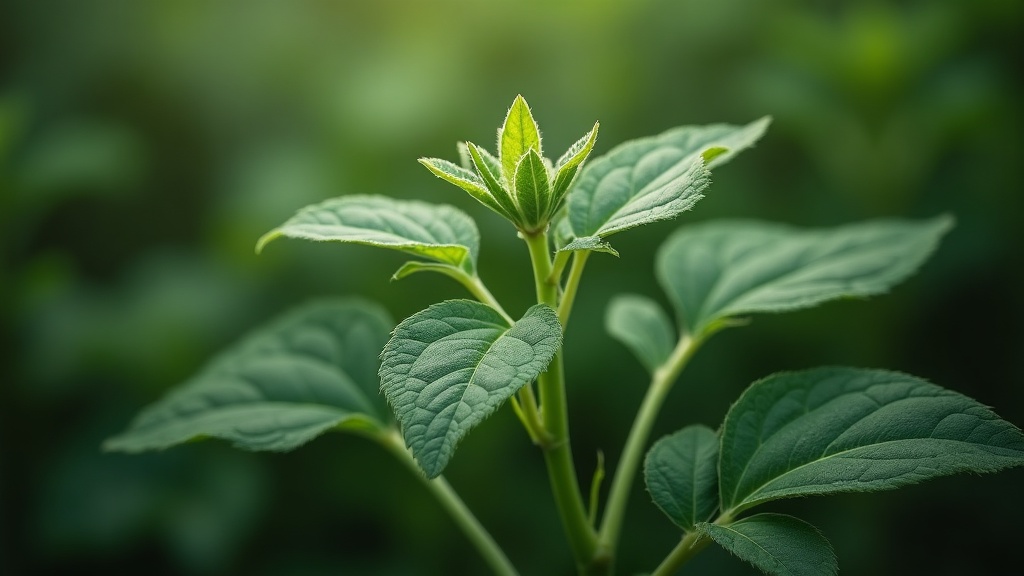
Accurate identification is the first step in any successful planting project. True hemlocks possess distinct physical traits that separate them from other evergreen trees. When observing the foliage, you will notice that the needles are quite small. According to outdoor educator Krik of Black Owl Outdoors, “Hemlock needles are really short, about 1.5 to 2.5 centimeters long, and that’s one of the first characteristics” visual identification tutorials (Black Owl Outdoors, 2024)[2]. This specific 1.5–2.5 centimeter needle length is a reliable indicator when distinguishing them from pines.
Another defining feature is found on the back of the leaves. Krik notes, “On the underside of the hemlock leaves you can see white bands, called stomatal bands, which are a big characteristic” (Black Owl Outdoors, 2024)[2]. These stomatal bands give the foliage a silvery appearance from a distance. The bark also provides vital clues for identification. Krik explains, “The bark of eastern hemlock is a gray‑brown with long, shallow longitudinal furrows, which helps you tell it apart” (Black Owl Outdoors, 2024)[2]. Recognizing these traits ensures you are purchasing authentic cultivars rather than mislabeled nursery stock. For gardeners looking to pair these conifers with other plants, selecting shade-loving perennial companions can create a diverse and visually appealing understory.
Applying This Creeping Hemlock Guide to Site Selection
Choosing the right location is critical for the long-term health of your ornamental plantings. These plants are uniquely adapted to low-light environments where other species struggle. The Plant Detectives Nursery Team highlights this advantage, stating, “Hemlocks are one of the few conifers that tolerate partial to full shade, which makes them invaluable for creating structure” (Plant Detectives, 2024)[1]. This shade-tolerant nature makes them ideal for planting beneath a mature overstory or along the shaded north side of buildings.
Climate tolerance is another major factor in site selection. Most hemlock species, including many creeping and prostrate cultivars derived from eastern and western hemlock, are hardy in USDA hardiness zones 3–7 (Plant Detectives, 2024)[1]. This wide range allows gardeners in colder regions to utilize them as reliable winter greenery. When preparing the site, it is important to assess the soil drainage. While they enjoy consistent moisture, they do not tolerate waterlogged conditions. Amending heavy clay soils with organic matter will improve root establishment. Furthermore, protecting the planting area from harsh, drying winter winds will prevent foliage desiccation. Proper site selection ensures that your landscaping efforts result in a thriving, low-maintenance groundcover that stabilizes the soil and prevents erosion on slopes.
Planting Spacing and Mulching Techniques
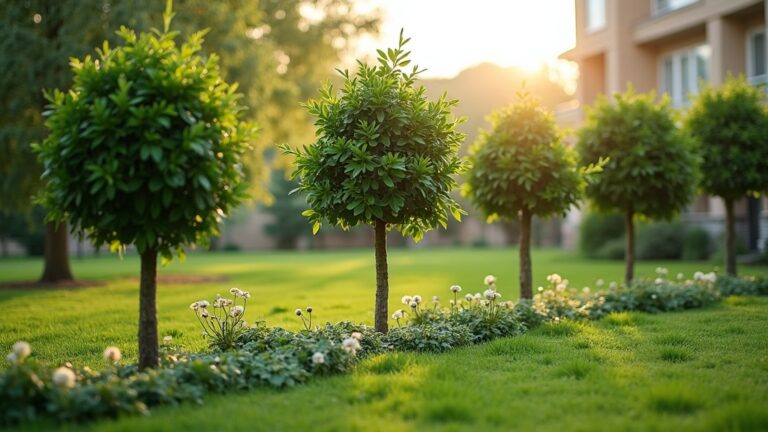
Correct planting depth and spacing dictate how quickly your groundcover will fill in the designated area. The Plant Detectives Nursery Team advises that “Dwarf and prostrate hemlock cultivars such as ‘Loowit’ and ‘Cole’s Prostrate’ are ideal for slopes and groundcover plantings” (Plant Detectives, 2024)[1]. To achieve a dense mat, these dwarf and prostrate hemlock cultivars, such as ‘Loowit’ and ‘Cole’s Prostrate’, which are commonly used as creeping hemlock groundcovers, are typically spaced 3–6 feet apart, depending on the desired spread (Plant Detectives, 2024)[1]. If you are also incorporating standard hemlock trees used as overstory companions to creeping and prostrate forms, they are recommended to be spaced 20–30 feet apart to allow for mature crown spread (Plant Detectives, 2024)[1].
After planting, applying the right amount of mulch is essential for regulating soil temperature and retaining moisture. A mulch depth of 2–3 inches is recommended around hemlock plantings, including creeping and groundcover cultivars, to regulate soil temperature, retain moisture, and suppress weeds (Plant Detectives, 2024)[1]. Keep the mulch a few inches away from the main stem to prevent rot. This careful attention to spacing and mulching accelerates the establishment phase, allowing the plants to outcompete weeds naturally. For more detailed advice on maintaining these areas, reviewing evergreen landscaping strategies can provide valuable seasonal maintenance insights.
Managing Weeds and Invasive Lookalikes
Maintaining a clean planting bed requires vigilance against invasive weeds, particularly poison hemlock, which is highly toxic and often confused with ornamental varieties. When establishing ornamental creeping hemlock in infested areas, proper management is critical. For poison hemlock management, tillage in suitable terrain is recommended at 3-week intervals between operations, beginning in spring when plants are in the rosette or early bolt stage (U.S. Forest Service, 2024)[3]. To effectively disrupt the root system, the U.S. Forest Service recommends tilling poison hemlock–infested areas to a depth of at least 4 inches to reduce seedling emergence before replanting with desirable species such as ornamental groundcovers (U.S. Forest Service, 2024)[3]. You can review comprehensive forest service field guidelines for detailed eradication protocols.
If chemical or mechanical tilling is not feasible, repeated mowing of bolted plants before flowering can significantly reduce seed production and long‑term infestation pressure in areas being converted to ornamental plantings, with 2 or more mowing events per season recommended (University of California, 2024)[4]. For hand removal guidance for poison hemlock in residential landscapes, the entire taproot must be removed when pulling plants to prevent regrowth near ornamental groundcovers, requiring 100 percent of the taproot to be removed (University of California, 2024)[4]. Sequential glyphosate applications for poison hemlock control are most effective when made at 1-month intervals during summer, followed by a fall grass or groundcover seeding (U.S. Forest Service, 2024)[3]. Diligent management ensures your ornamental beds remain safe and visually appealing.
Your Most Common Questions
What is the ideal spacing for prostrate hemlock cultivars?
When planting dwarf and prostrate forms, they are typically spaced 3–6 feet apart, depending on the desired spread (Plant Detectives, 2024)[1]. This distance allows the branches to intertwine and form a dense, continuous evergreen mat over time without overcrowding the root zones during the initial establishment phase.
How deep should mulch be applied around these groundcovers?
A mulch depth of 2–3 inches is recommended around hemlock plantings, including creeping and groundcover cultivars, to regulate soil temperature, retain moisture, and suppress weeds (Plant Detectives, 2024)[1]. Always ensure the mulch does not directly touch the central stem to prevent fungal diseases and stem rot.
Can creeping hemlocks tolerate full shade?
Yes, they are highly adaptable to low-light environments. As noted by horticultural specialists, “Hemlocks are one of the few conifers that tolerate partial to full shade, which makes them invaluable for creating structure” (Plant Detectives, 2024)[1]. This makes them an excellent choice for planting beneath dense tree canopies where grass struggles to grow.
How do I identify true hemlock needles versus pine?
True hemlocks feature very short needles and distinct white bands on the underside. Krik of Black Owl Outdoors notes, “Hemlock needles are really short, about 1.5 to 2.5 centimeters long, and that’s one of the first characteristics” (Black Owl Outdoors, 2024)[2]. Additionally, the presence of white stomatal bands on the leaf underside confirms the identification.
Comparison of Groundcover Approaches
Selecting the right groundcover depends on your specific site conditions, maintenance preferences, and aesthetic goals. While this creeping hemlock guide focuses on prostrate conifers, comparing them to other common shade solutions helps clarify their unique benefits. The table below outlines the primary differences between these landscaping methods.
| Approach | Shade Tolerance | Maintenance Level | Winter Interest |
|---|---|---|---|
| Prostrate Hemlock (focus of this guide) | High (Partial to Full) | Low once established | Excellent (Evergreen foliage) |
| Standard Vinca Minor | Moderate to High | Moderate (Spreads aggressively) | Good (Semi-evergreen) |
| Hosta Mass Plantings | High | High (Pest prone, dies back) | Poor (Herbaceous) |
Practical Tips
Implementing best practices ensures your groundcover remains healthy and visually striking throughout the year. Follow these actionable tips to optimize your planting results:
- Water deeply during establishment: For the first two growing seasons, provide supplemental irrigation during dry spells to encourage deep root growth. Shallow watering leads to weak root systems that are vulnerable to drought stress.
- Prune selectively in early spring: Remove any dead or damaged branches before new growth emerges. Light tip pruning encourages lateral branching, resulting in a denser, more uniform mat of foliage.
- Monitor for adelgids: Inspect the base of the needles regularly for white, cottony masses, which indicate the presence of hemlock woolly adelgid. Early detection and treatment with horticultural oils are crucial for preserving plant health.
- Avoid soil compaction: Keep heavy foot traffic off the planting area. Compacted soil restricts oxygen flow to the roots and impedes water infiltration, severely stunting the growth of your evergreen groundcover.
For more about Article creation guide, see get expert advice on article creation guide.
Wrapping Up
Establishing a resilient, shade-tolerant landscape is entirely achievable with the right plant selections and care routines. This creeping hemlock guide has outlined the essential steps for identifying, planting, and maintaining prostrate cultivars in challenging low-light environments. By adhering to proper spacing, mulching, and weed management protocols, you can cultivate a lush, evergreen groundcover that enhances your property year-round. For further inspiration on designing your outdoor spaces, be sure to explore more garden design ideas to complement your new plantings.
Sources & Citations
- The Hemlock Guide. Plant Detectives.
https://plantdetectives.com/pages/the-hemlock-guide - Eastern Hemlock [Plant ID Guide]. Black Owl Outdoors.
https://www.youtube.com/watch?v=8_4Gt5zMl-8 - Field Guide for Managing Poison Hemlock in the Southwest. U.S. Forest Service.
https://www.fs.usda.gov/media/17413 - Poison Hemlock Pest Notes. University of California Statewide IPM Program.
https://ipm.ucanr.edu/home-and-landscape/poison-hemlock/